HOW DO I PREPARE FOR A COMPANY HEADSHOT PHOTOGRAPHY SESSION?
HOW DO I PREPARE FOR A COMPANY HEADSHOT SESSION? - FIVE THINGS YOU CAN DO TO GET THE MOST FROM YOUR HEADSHOT PHOTOGRAPHER
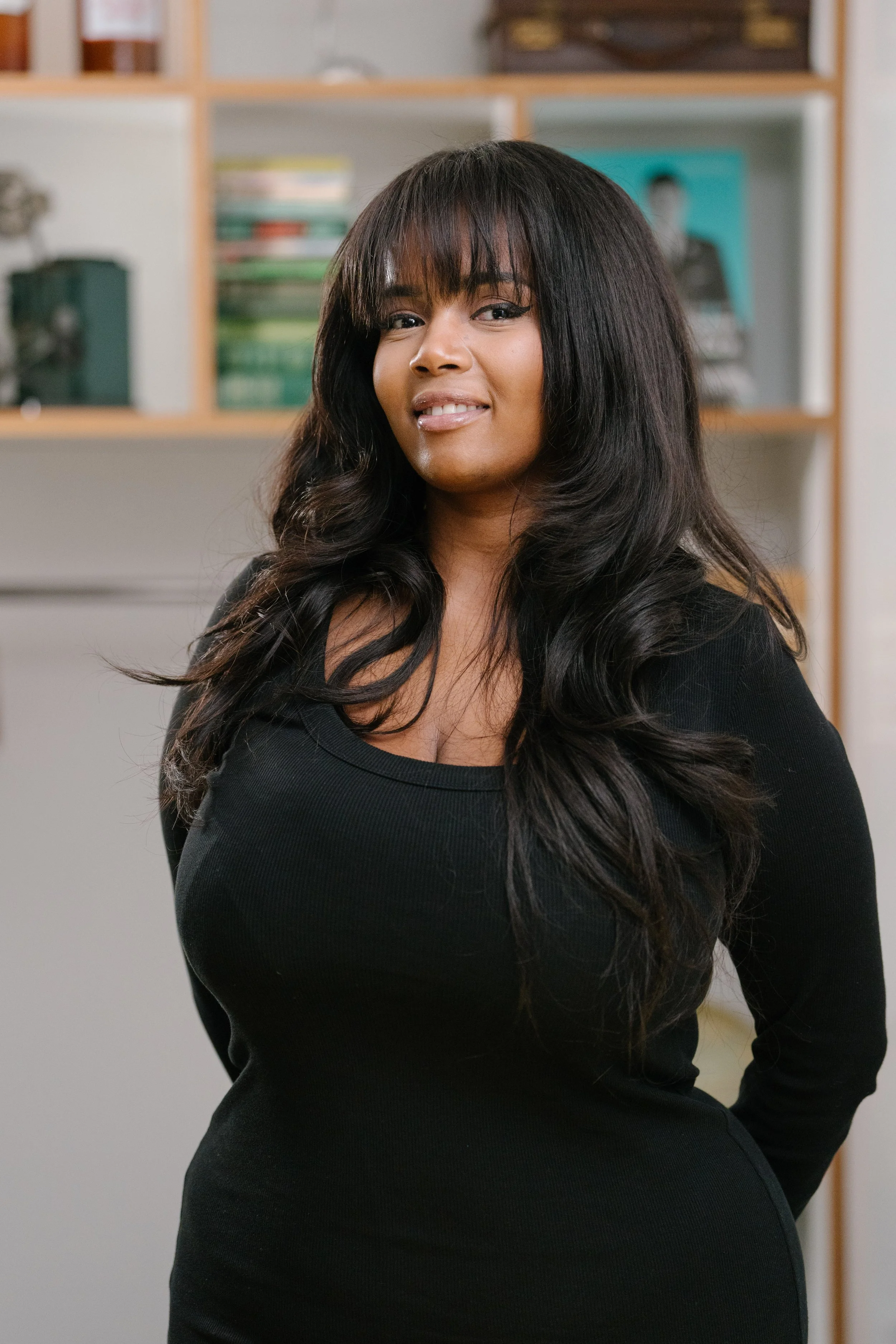
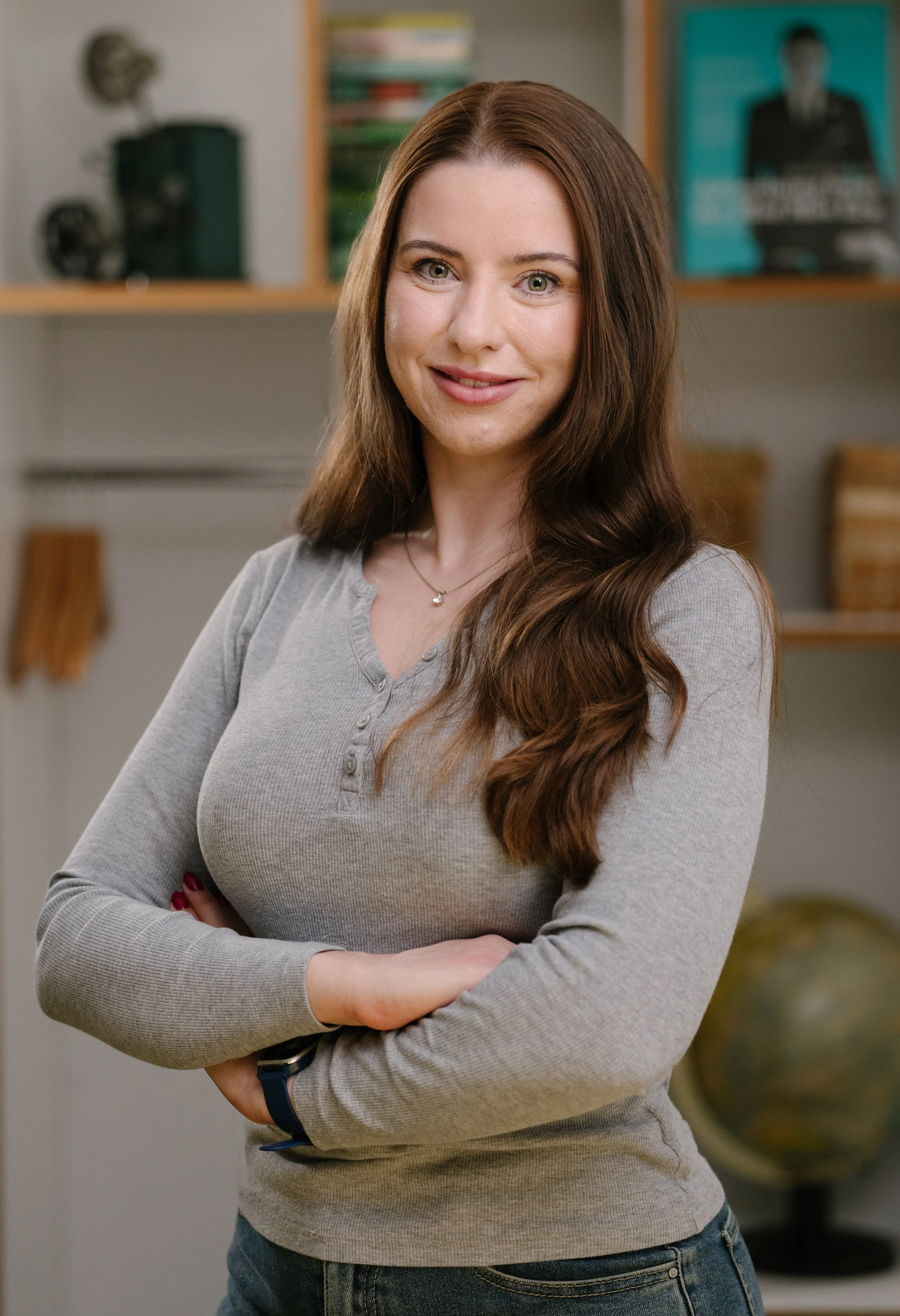
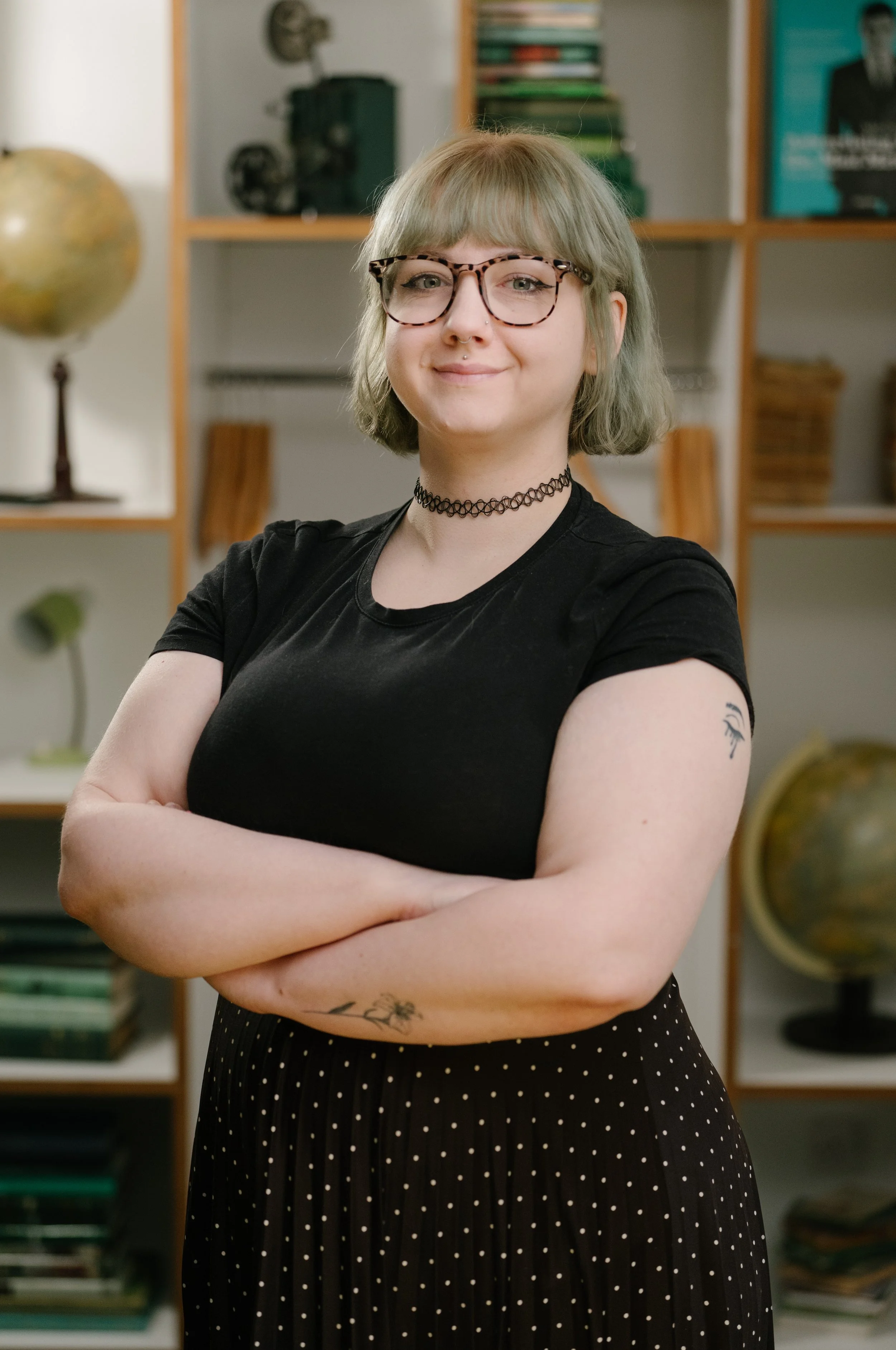
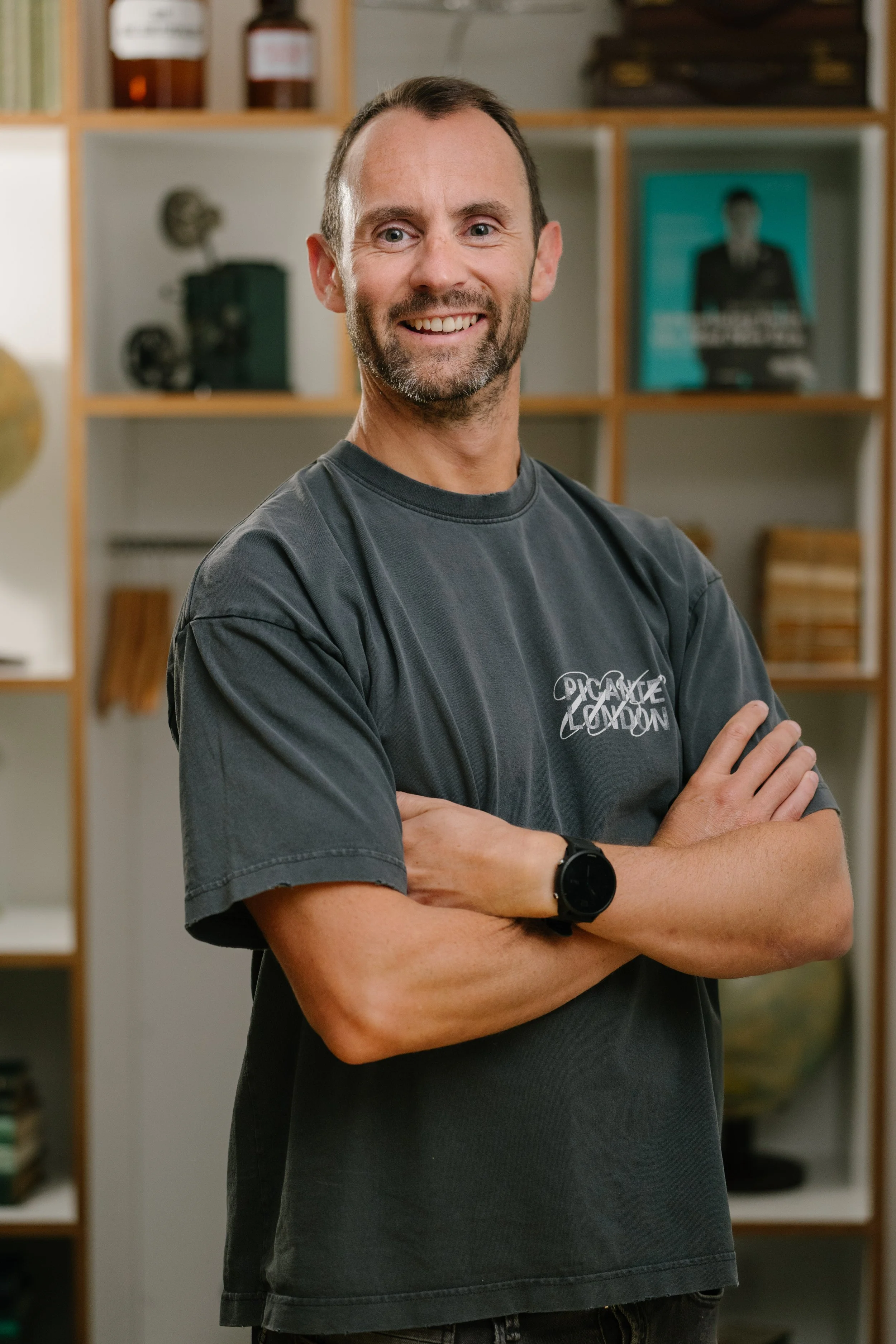
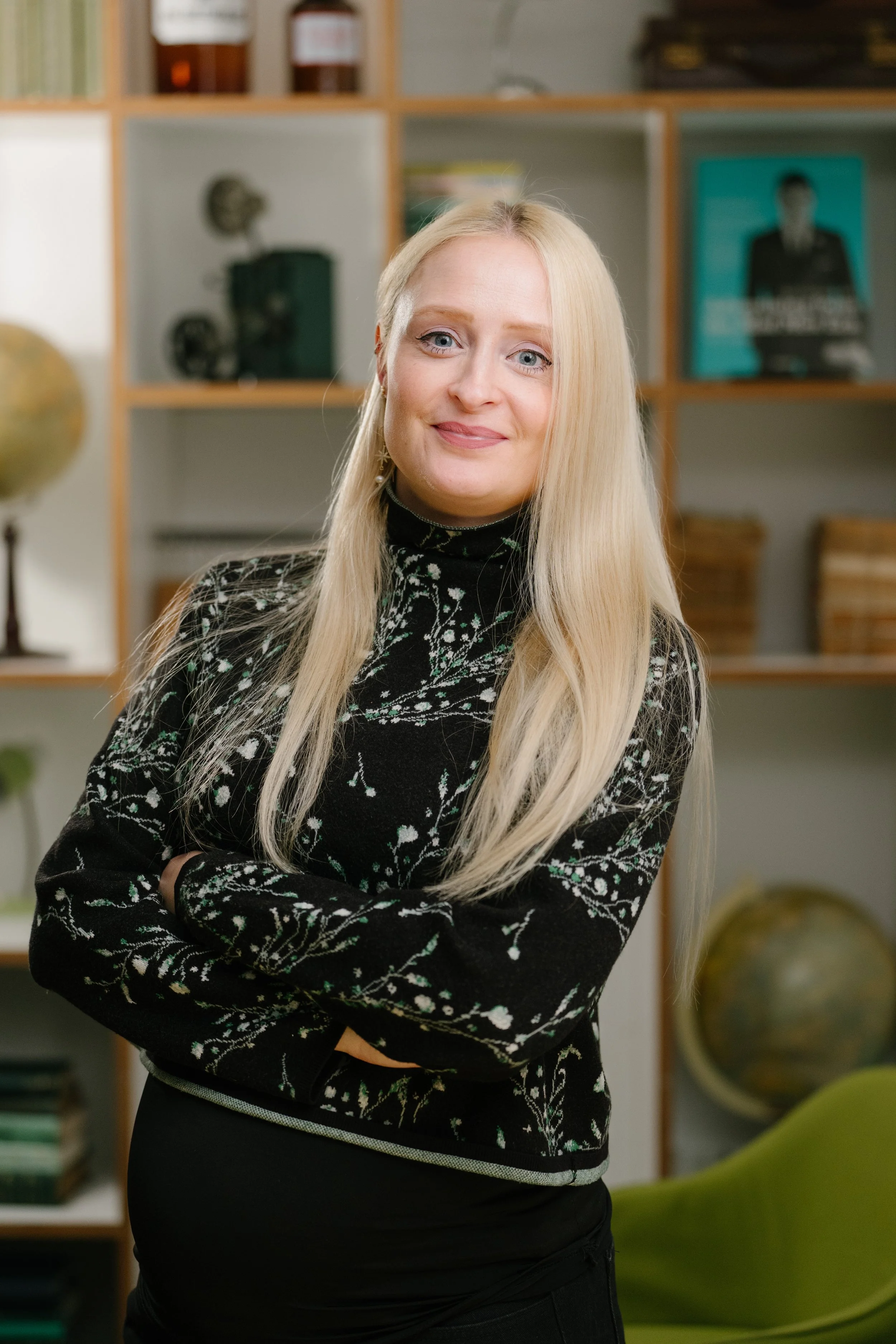
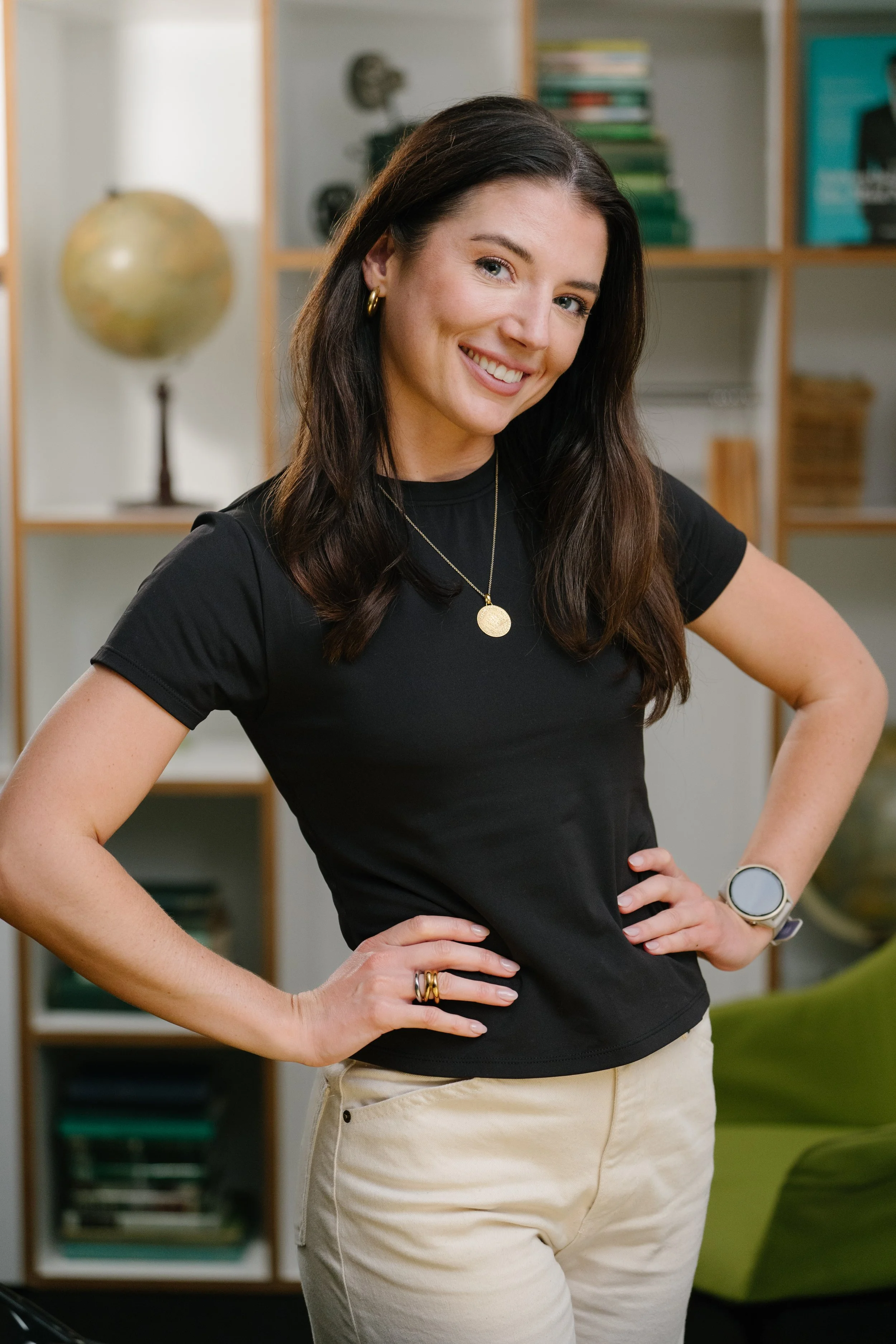
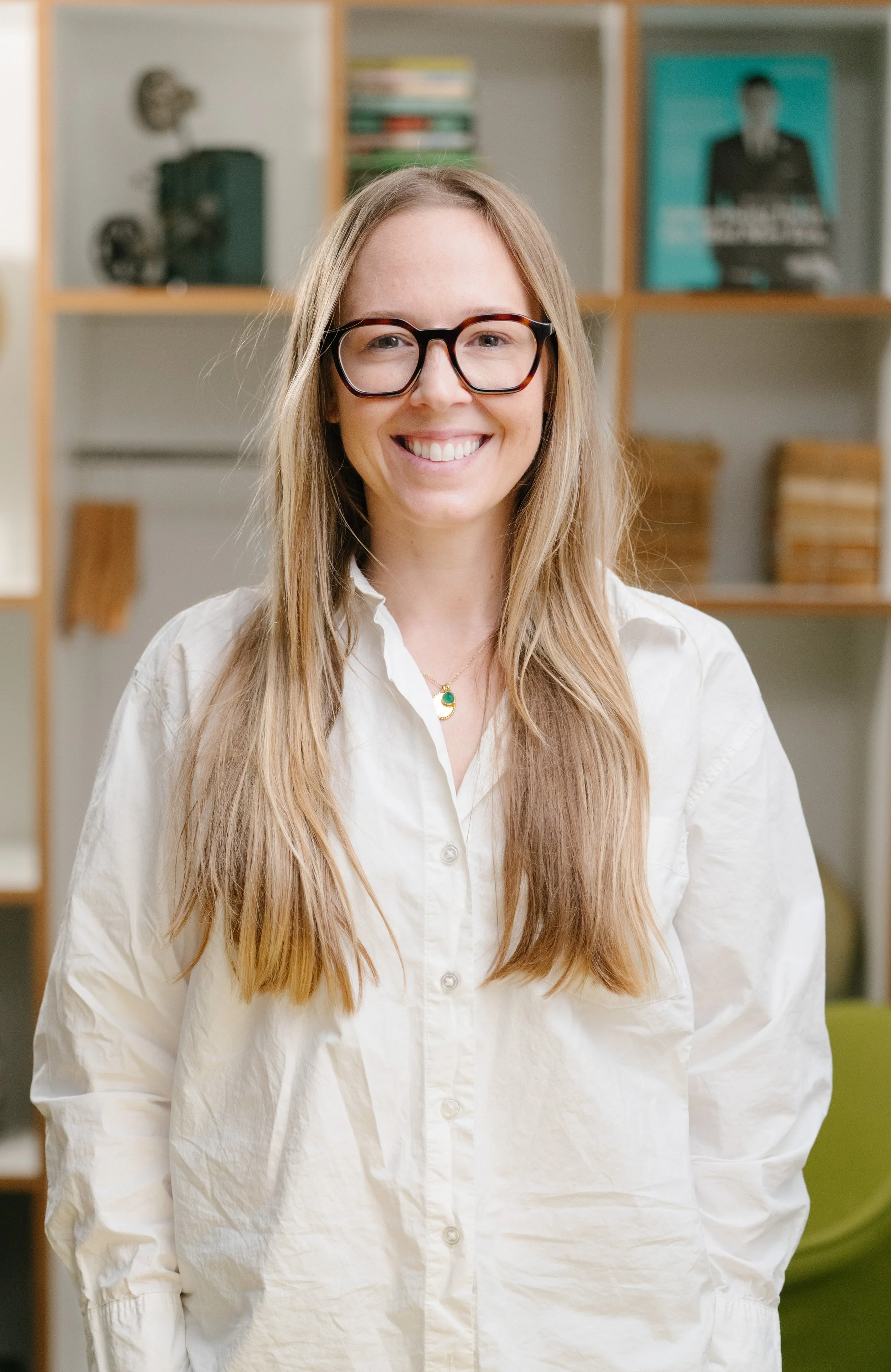
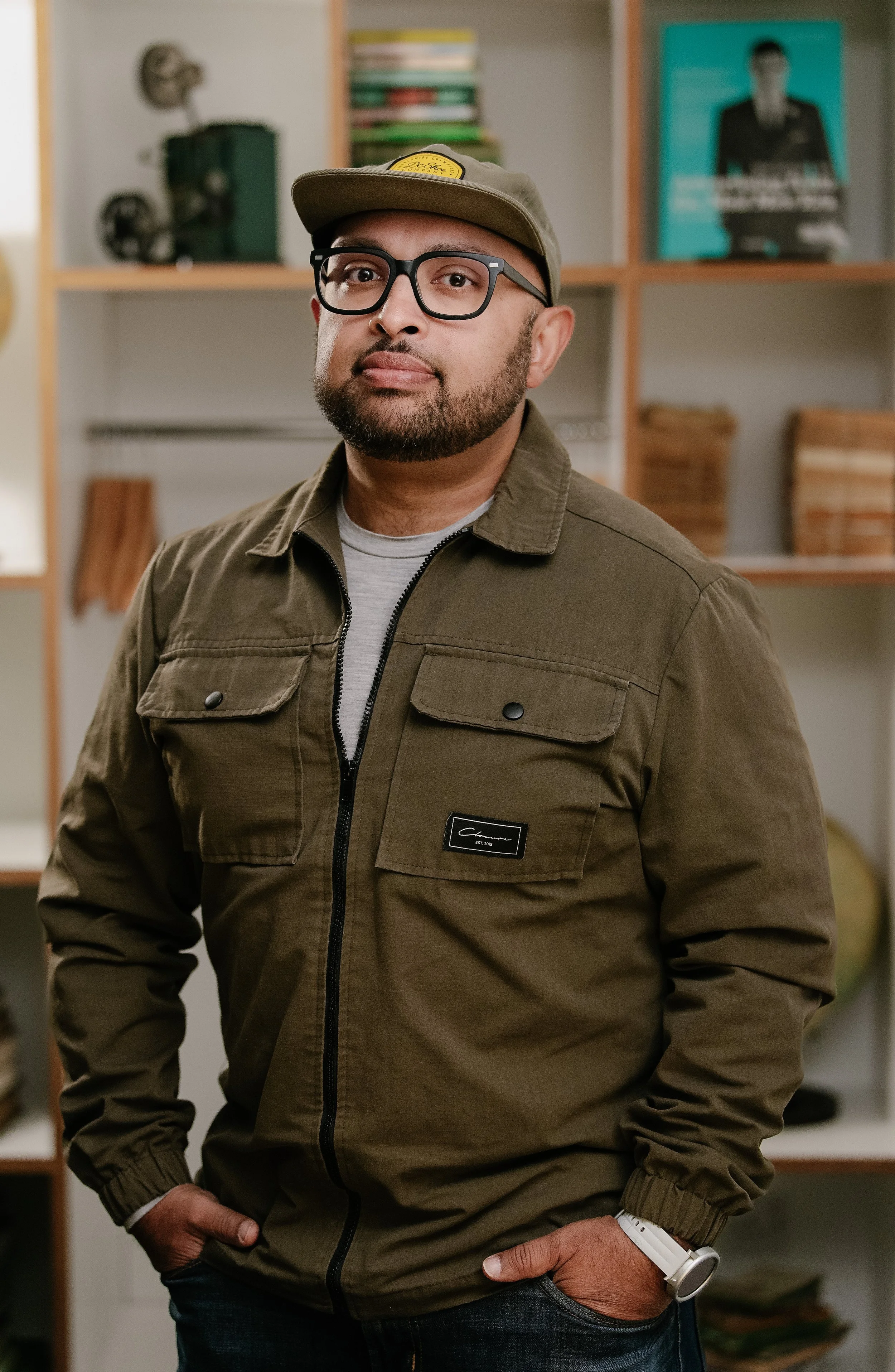
I recently had the privilege of shooting employee headshots for the wonderful people at Pinpoint at the amazing CitizenM Hotel by London Bridge.
Challenges for me included a small room, a low ceiling, hard downlighters, a packed schedule. Lucky me, every single one of my 30 subjects were charming, good-natured, generous, relaxed. Or maybe I just really like people. Either way, it was an awesome session and we were all happy, so below are some notes that the fine people at Pinpoint had the good grace and common sense to pay attention to. And that really paid off.
For those who don’t want to read this in detail I can summarise quite simply. Be yourself, relax, have fun, don’t wear wild patterns, don’t come in scruffy, don’t come in shiny, and above all, don’t worry. You will be looked after. It’s in your photographer’s interest to put you at your ease, to make it fun, to make you look your best.

1. THE WHERE AND THE WHEN
Get a room. Make it a big one if you can. A small space isn’t unmanageable, but there is literally no such thing as too much space. Where possible, I favour clamshell lighting which needs reasonably high ceilings for my key light. I also favour shooting on a long portrait lens - maybe 135 mm - as this adds a highly flattering compression to your image.
The light in the room doesn’t really matter, although ideally I will want to switch off the lights, as office lights tend to be harsh led downlighters which cause a cast and shadows which don’t help. But all of it is manageable.
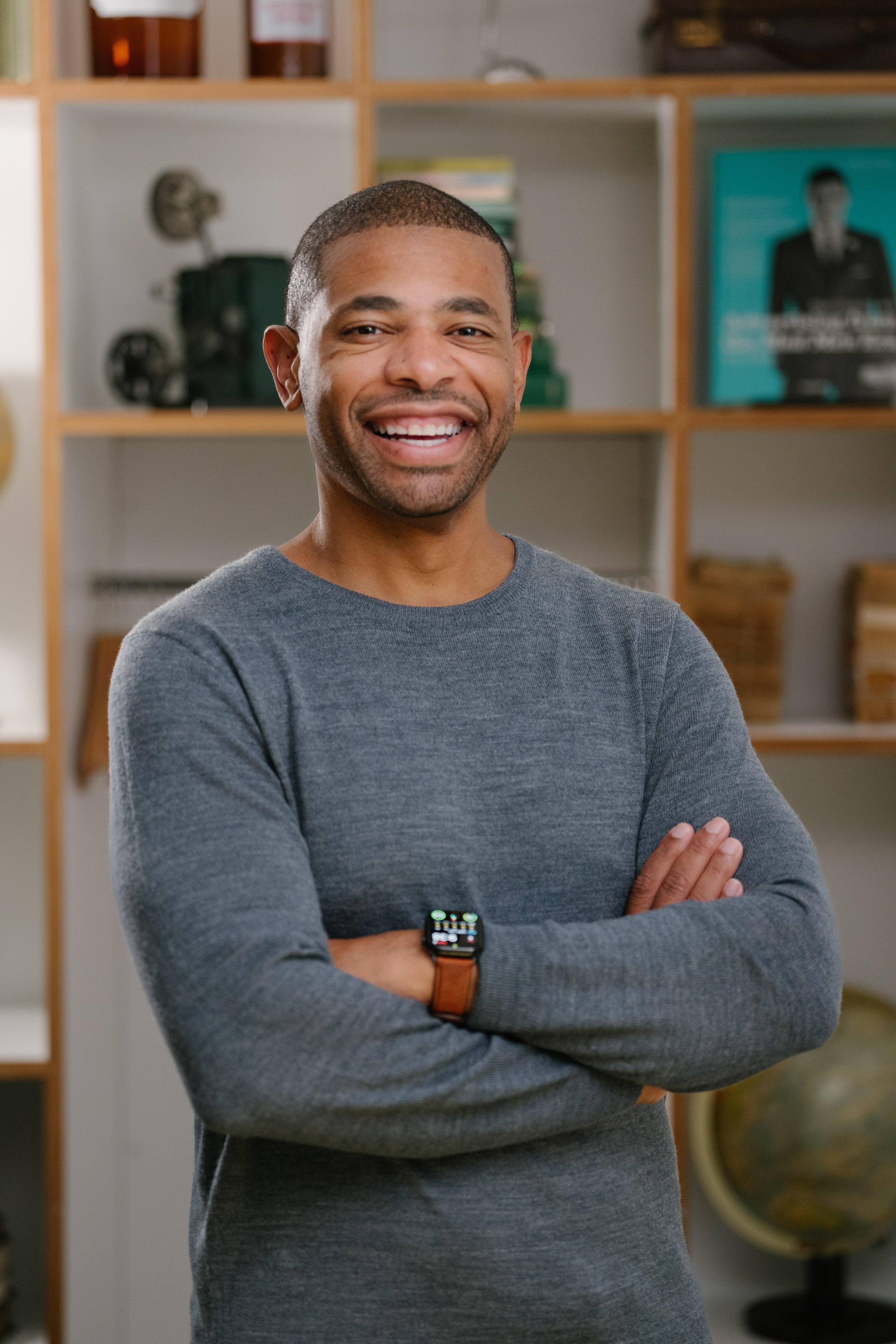
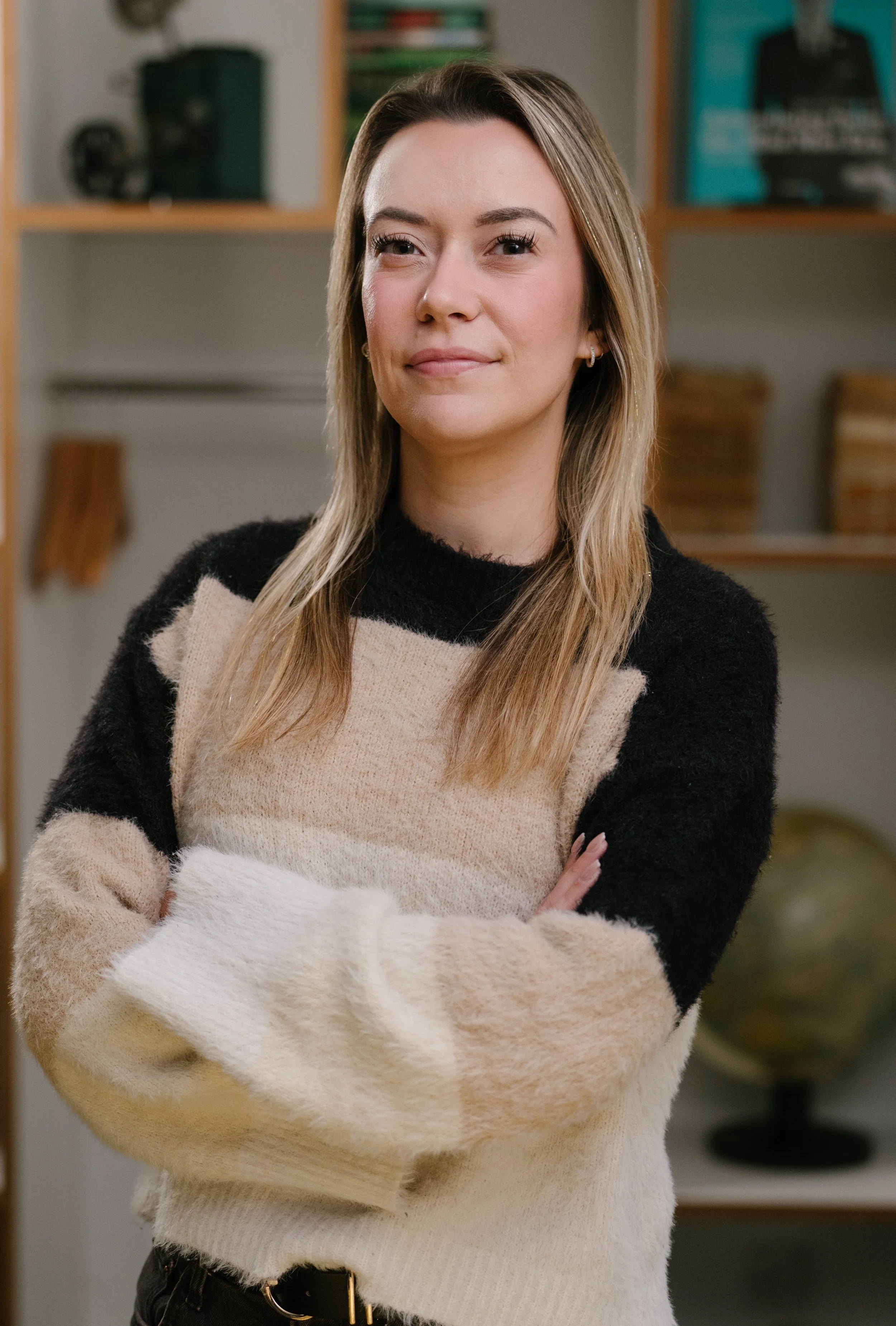
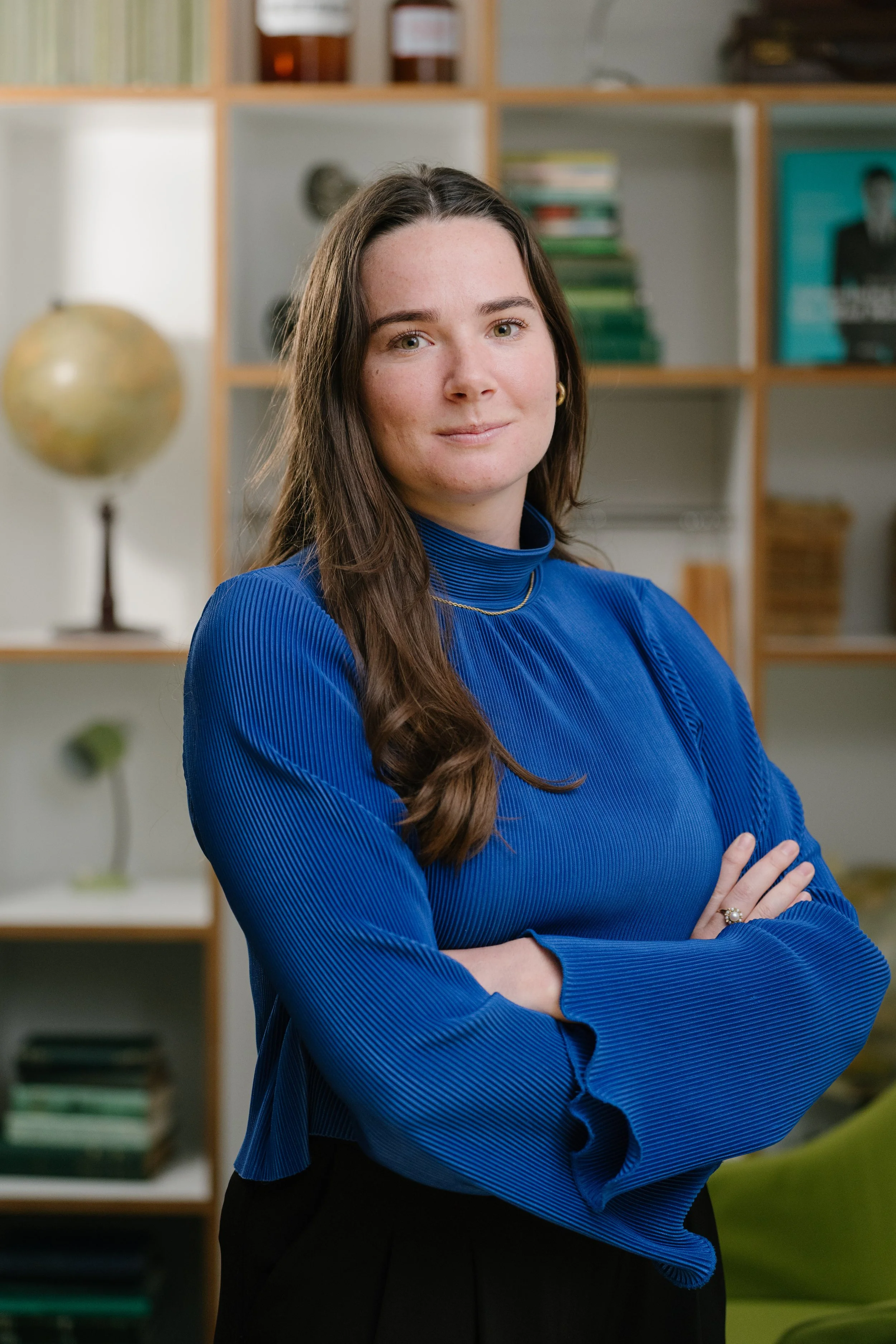
In the examples below, in contradiction to this, the room was quite small - my longest focal length was just 70mm - and the ceilings low. Not a problem as I bounced my key light and backlight the shelves behind. So you know, there are ideal locations and there are locations that are not a problem to an experienced corporate photographer. Many clients want a white, black or grey backdrop. Pinpoint, my clients here, wanted the hotel features as their backdrop, which was great. My favourite backdrop is always the available environment. But I always bring a portable backdrop anyway.
So anything is possible and manageable, but a tiny space by the photocopier, next to the fire escape - and it has happened - is quite simply not ideal.
2. DRESS TO IMPRESS
Well not necessarily but do at least check how you look in the mirror beforehand. Does that top hang well? Is it best suited to your complexion? Is it professional enough? Is it too much? Is it not enough?
Solid colors are good, so are brown, grey, cream and beige. It’s a given that neon colours can be a bit much. Some will recommend avoiding white or black, which I honestly don’t agree with. A white shirt or a black top can look awesome. Chances are if you work as an executive you quite possibly only ever wear a white shirt or blouse. Then again, it’s probably a given that you will also be wearing a nice dark formal jacket.
Because you can’t beat subtle, well-considered layering. Wild patterns are best avoided for obvious reasons. But in the end, you really should do you. Some of my favourite headshots have been with people who are very individual in their styling. That is the crucial thing though. They style themselves every day, and probably don’t need to read this anyway.
Do I have to say you should iron your clothes beforehand? I’m afraid I do. Nothing is worse than creased clothing. It’s not as straightforward as you think to photoshop it out, and when significant extra post production is involved, there is often an extra cost, which the person paying for this might well not be happy about.
Sometimes people ask me to do a second version, with just a tee shirt or a change of top, and provided there is time, of course I’m happy to do that. So do by all means bring a change of clothes.
I tend to deliver headshots with a fairly loose frame these days as clients seem to favour that. I prefer it, aesthetically anyway, and it gives you the option to crop later when you upload to wherever the final destination is. Clue: it’s usually your company website .
3. HAIR AND MAKE UP
I’m pretty certain the majority of MEN will skip this, but there is no shame in having a little powder to hand. Editorial and Styled shoots this is usually a given. Because the last thing you want is shine. Post production can mitigate shiny skin, but at the end of the day, the nature of it is that highlights are blown and cannot be retrieved. We are dealing with light. Shiny skin means areas of too much reflected light. Almost impossible to totally irradicate without looking fake.
So for those wearing make up, a natural, matte finish is what we want. Avoid heavy highlighters, SPF creams, or reflective powders that can flash-back or cause shine under studio lights. Bring that spare powder to the shoot please!
You might want to get your hair done. Please don’t do it the day before and have a Fleabag moment. Maybe a week or two beforehand so you have time to get used to it and it looks natural and settled.
If you plan to shave or trim facial hair, do it carefully on the day of the shoot.
Glasses wearers: do you clean your glasses regularly? I’ve only recently started wearing them and it drives me mad if they are not totally clean. Maybe others forget, but please do clean them thoroughly beforehand to minimize glare and reflections. Again, most glare and smudges can be got rid of up to a point, but messy lenses will compromise any final result.
4. A HEADSHOT STATE OF MIND
Most of my corporate headshot photography work is big groups, whole departments. Each subject gets five or ten minutes. So planning in that many people can be a bit of a logistical challenge. Usually I have a set rate, so that late stragglers and unforeseen delays can be accomodated.
Don’t stress it. The curious thing about limited time is that there is no chance of overthinking things. Like a trip to the dentist, in many ways, the shorter it is the better. But if you still find yourself getting anxious, just take a few slow, deep breaths and drop your shoulders before the camera starts clicking to release tension from your neck and jaw.
And trust me. You do not need to practice complex poses on your own; I will guide you, tell you Dad jokes, get on your level and look after you, guiding your chin angle, posture, and expression step-by-step.
5. DON’T WORRY, BE HAPPY
I’m not going to say “get a good night’s sleep” because you might be someone who never sleeps well, or you might worry about getting enough rest just because I said you should. That happens to me occasionally and what I have learned is that the only real problem with a bad night’s sleep is worrying you had a bad night’s sleep.
The crucial thing is quite simply to look your best, and then see your session as an amusing interlude, a funny thing to tell your mates about, or just a short break from the rigours of your working day.
The worst thing anyone ever says in the creative industries is “just have fun with it.” Well I’ll tell you a secret. That is literally what I do and what I try and get you to do. Right up to the point where you walk through the door, you may have earnestly taken all these recommendations seriously. But once in front of the camera, the best thing you can do is try not to care. Let me do the worrying. Remember it’s in my best interest to get you feeling good and looking good. And this approach hasn’t failed me even once