WHAT MAKES A GREAT EVENT PHOTOGRAPHER? - TEN THINGS TO LOOK FOR
So you’ve got a big event booked - a conference, an awards night, an intimate breakfast or a trade show. You’ve spent forever arranging all the details, inviting delegates, dealing with the venue, arranging everything from the presentations to the refreshments and you’ve probably spent the GDP of an emerging nation doing it all. Now you want to document and promote it. You may well have an AV team to record the whole thing, which is something we do , but more to the point of this blog, you will be looking for an event photographer - or videographer, the same rules apply to both, and you may even be able to find someone like me who can DO both.
What you want to feel confident about is that they know what they’re doing and that they will deliver the very best for you. So here is a simple list of factors you should know.
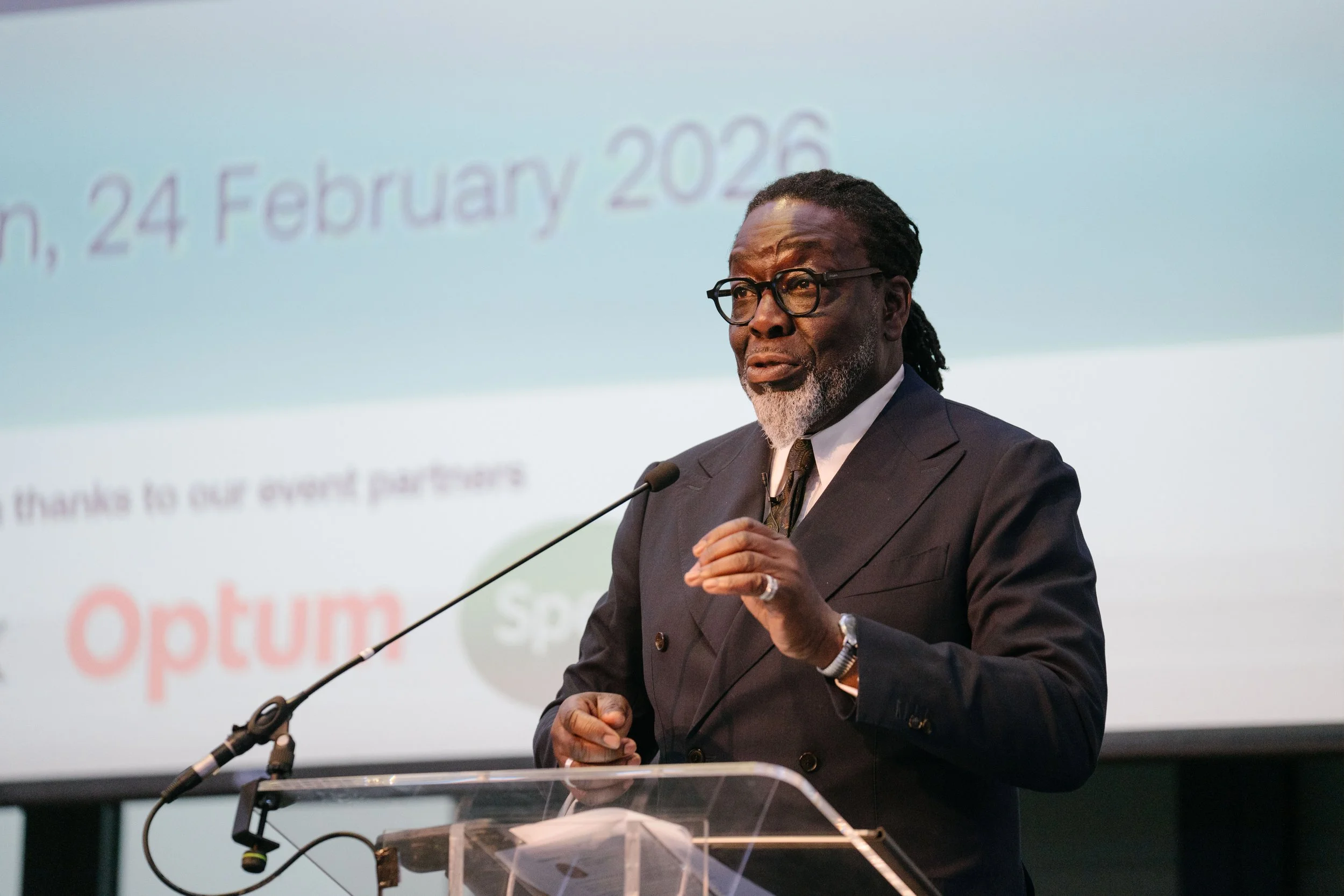
1. Delivering on brief. It is customary to write a brief for your photographer. There may well be crucial moments you need capturing, or you may have a specific keynote speaker you need them to focus on. Undoubtedly there will be key speakers of some sort or another, and key moments. You may not in fact have time to write a brief for your event photographer, and here’s the thing; if they are any good, you don’t have to. They will be shooting solidly all day and they will have the experience to know all the shots you are likely to need.

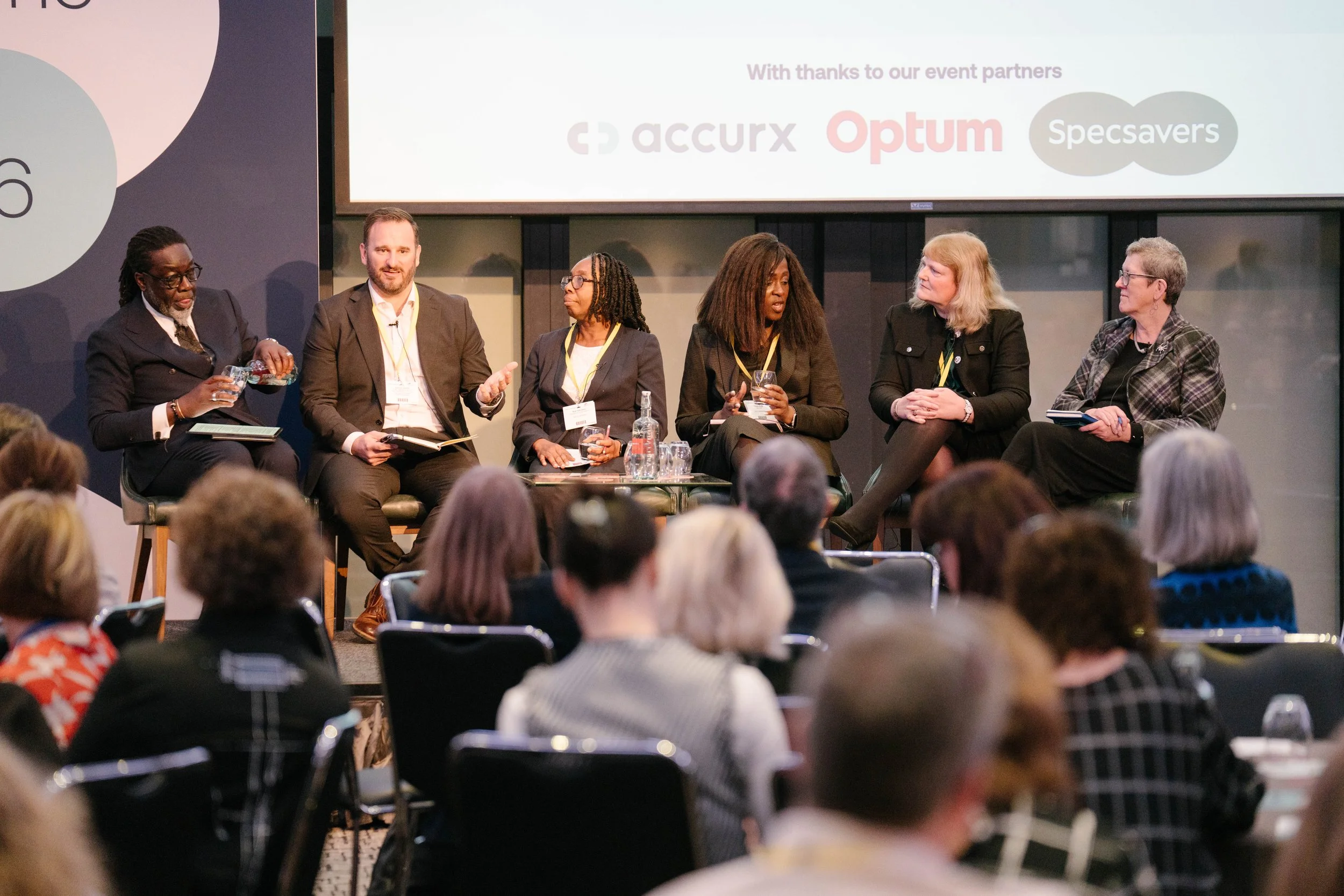
2. Making it look busy. A sad fact widely known, but with the best efforts in the world, not every event ends up being booked out. If your photographer is delivering shots of a half empty auditorium they are not doing justice to that brief you shouldn’t need to write for them. Experienced event photographers are familiar with the art of shooting through people, of placing a few heads in the frame to give the impression of a packed hall.
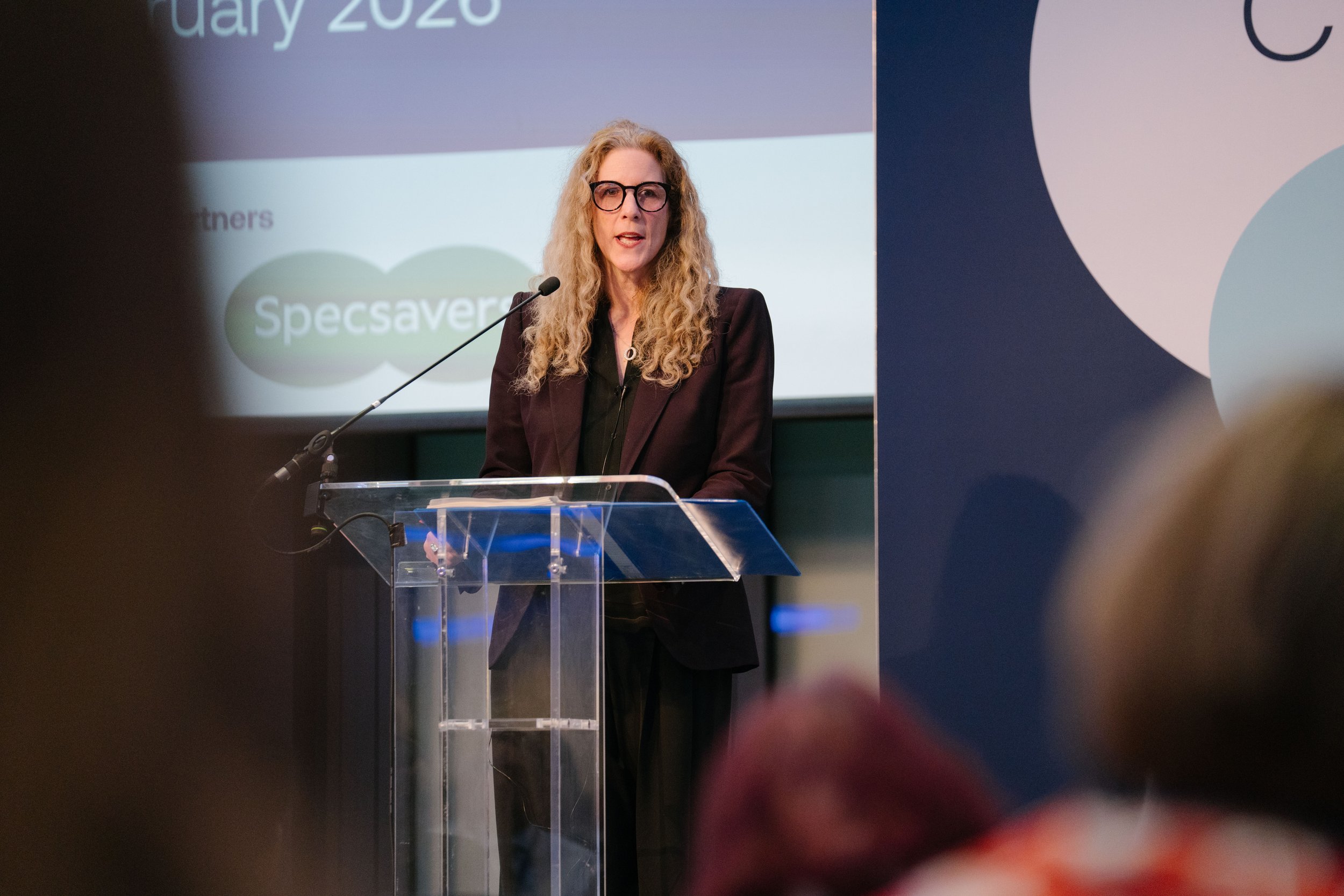
3. Overshooting. It is not uncommon to see photographers, and videographers looking bored, hanging around and looking at their phone. While you don’t want a maniac who is constantly leaping about, one moment crouching like a puma about to pounce on a tasty gazelle, the next hurtling across the rear of the auditorium as if in pursuit of an armed robber, nonetheless you do want someone who is engaged at all times, ready for when the audience applauds or laughs. Overshooting is not a problem, because that is what editing is for. Come to that, I’ve never been accused of overdelivering, even when I suspect I have delivered a few more shots than is required.
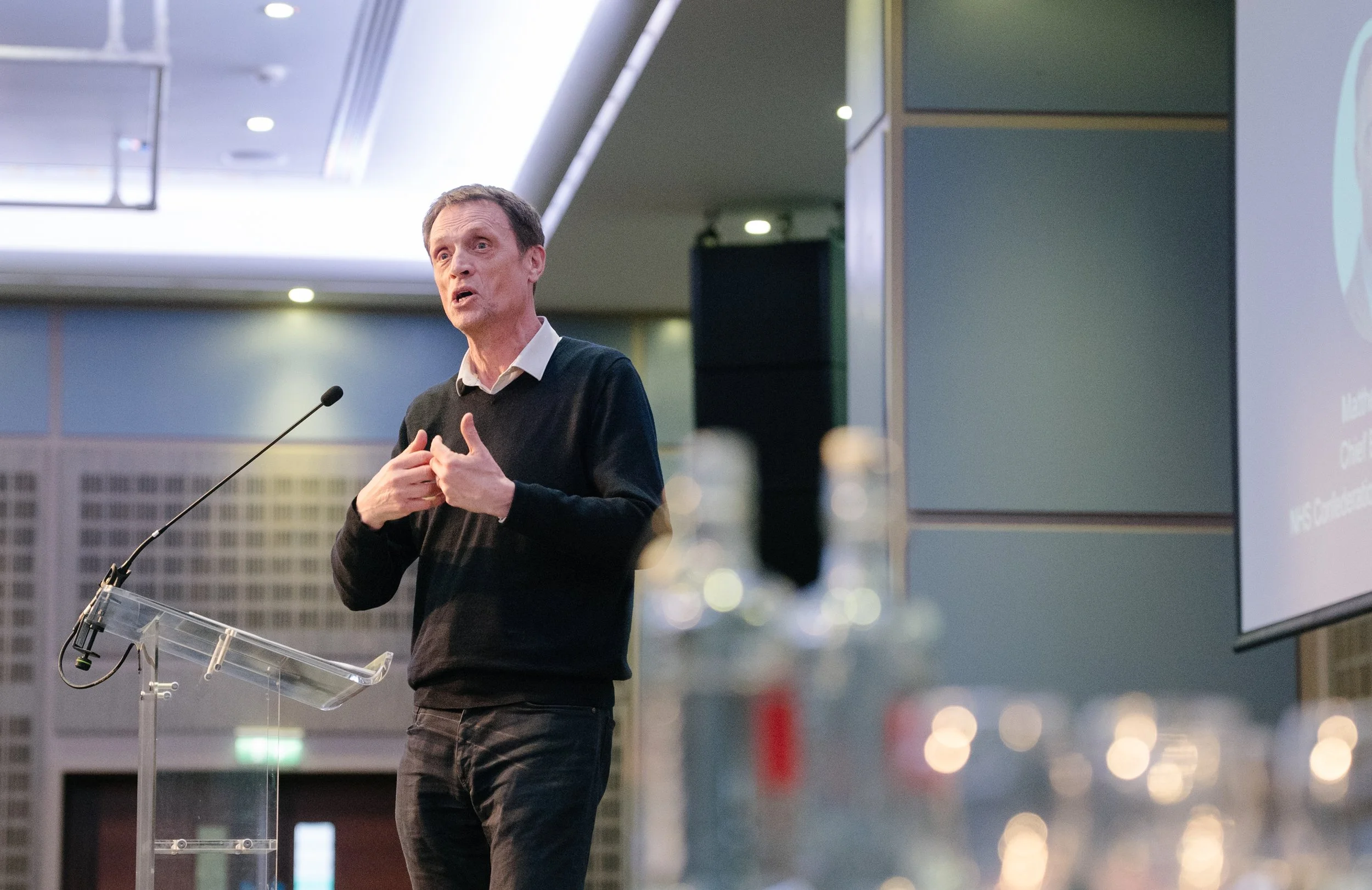
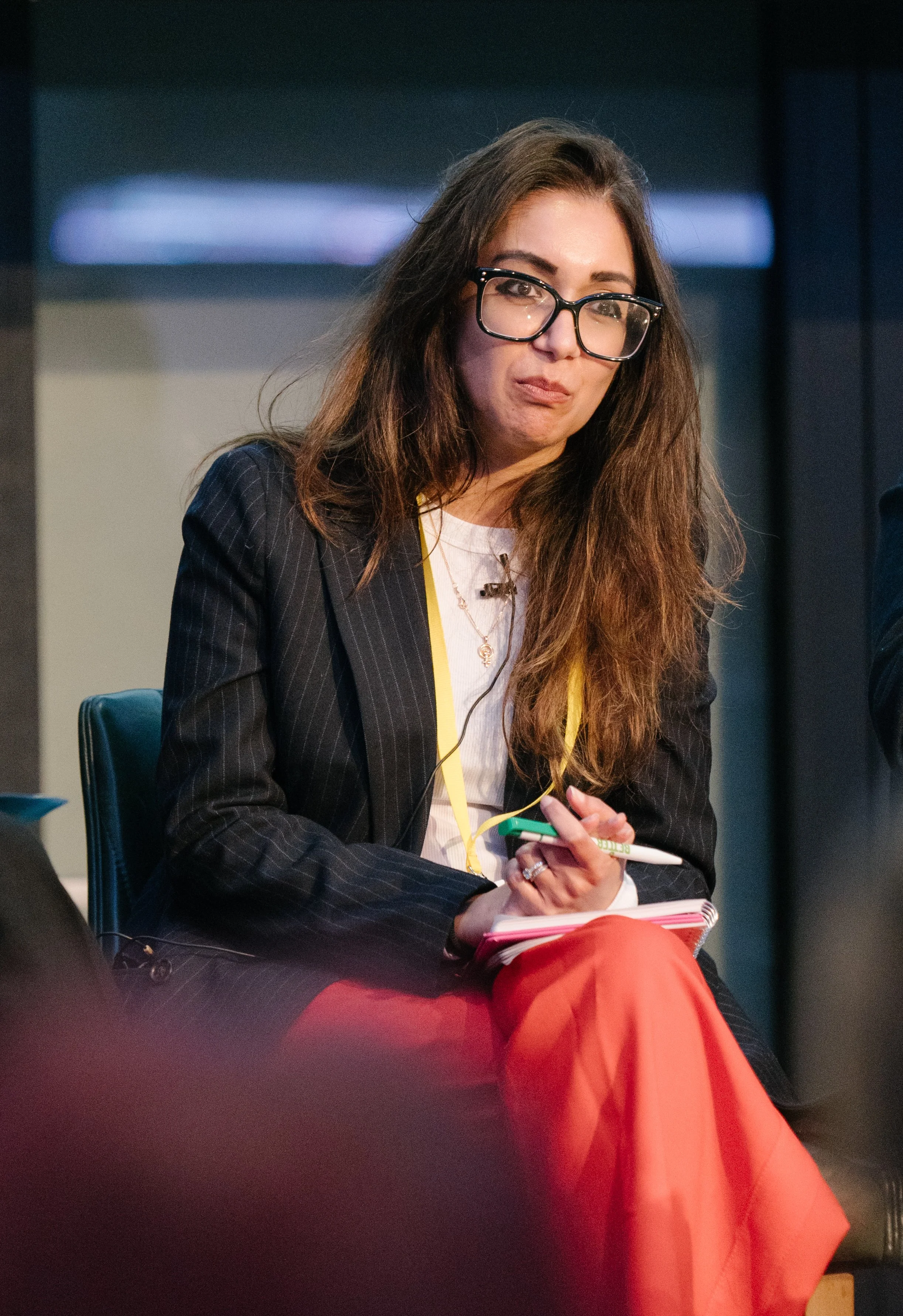
4. Are they engaged? Hell, they might well be married, come to that. Bad dad joke there, but in seriousness, there is little point in being an event photographer if you don’t take an interest in what is happening, in what is being said, basically if you don’t find people interesting. And this doesn’t just go for the speakers. Audience shots are crucial too - the person taking notes, the people smiling and laughing and engaging, the applause, the concentration. This sells the success of your event as much as anything else.
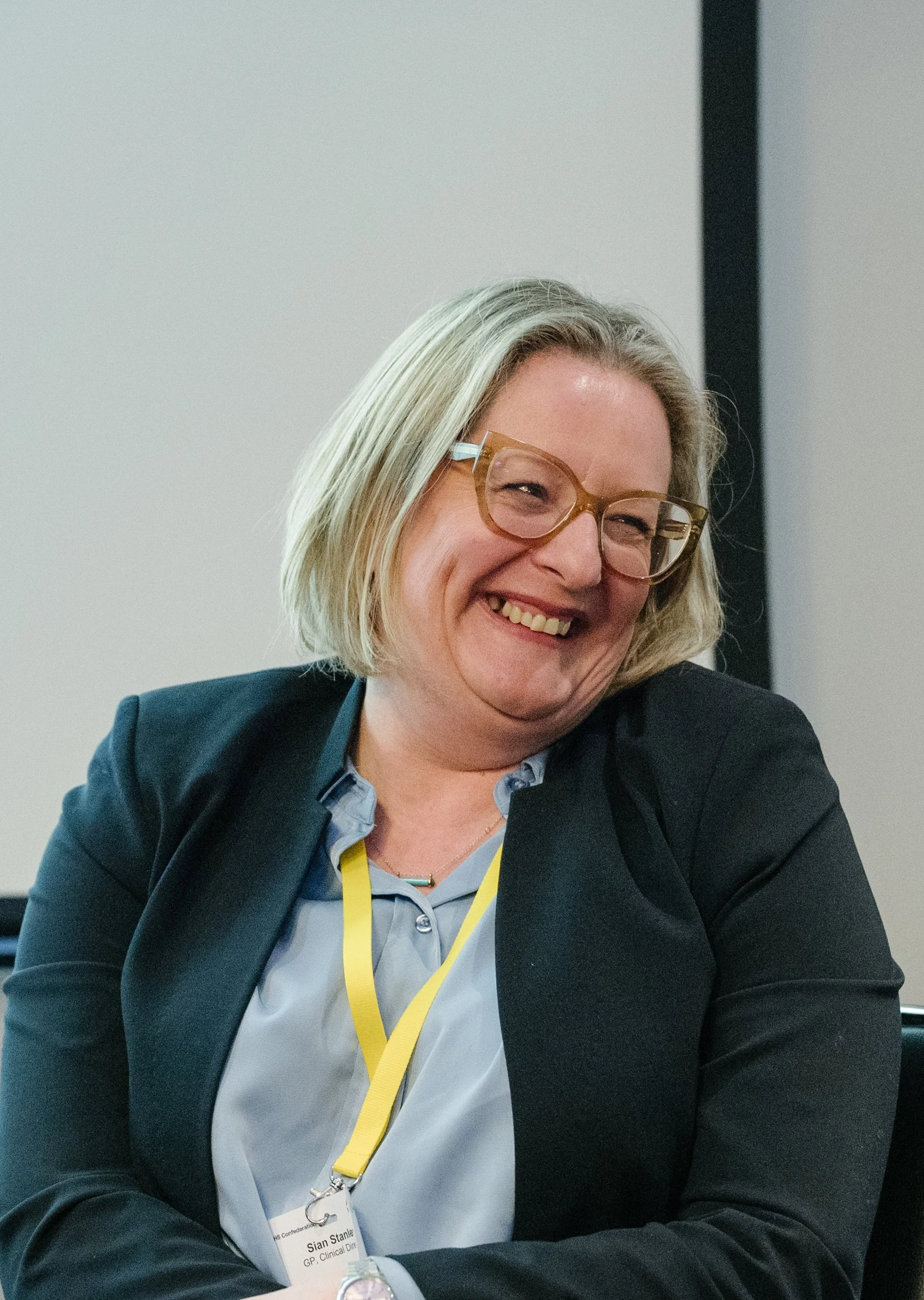
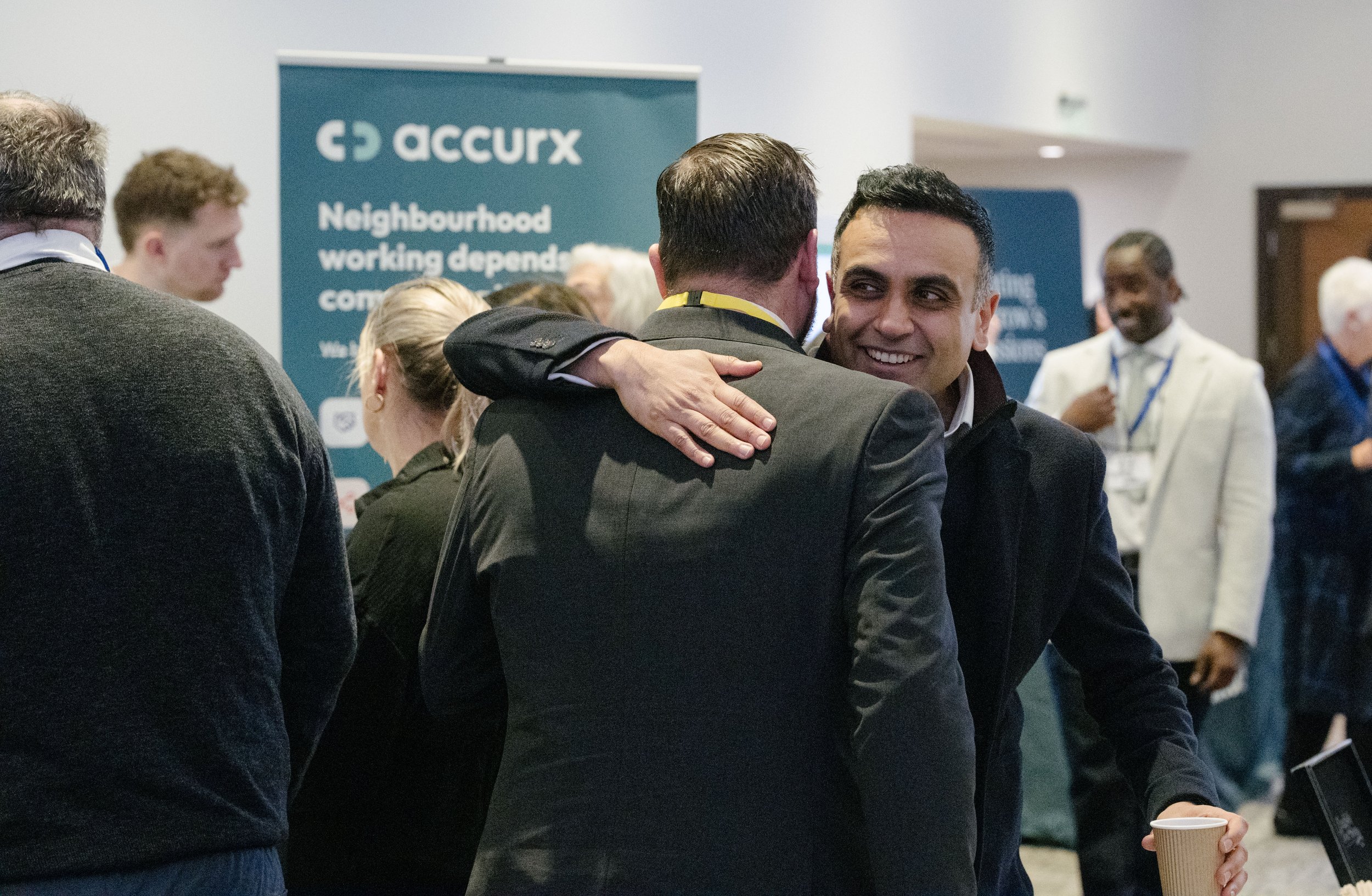
5. The details. It may sound banal, but shots of registration, of a pile of lanyards, of event signage are crucial. Ideally these will feature amongst shots of delegates interacting and mingling, but it never hurts to see a “product shot” of delegate badges. You spent time and money on this too,

6. Plenty of close ups. And GOOD ones. This of course goes without saying, that you want a photographer who comes with a telephoto lens, so that they can grab much of the key action from a discrete distance. Something I have learned over the years is that - while it is a bit tiresome for me in the edit, shooting a LOT, and shooting on burst mode is crucial. Because what your photographer needs to deliver are not just shots of the speaker, but shots of the speaker looking good, not blinking or grimacing mid-sentence, something which of course happens an awful lot.
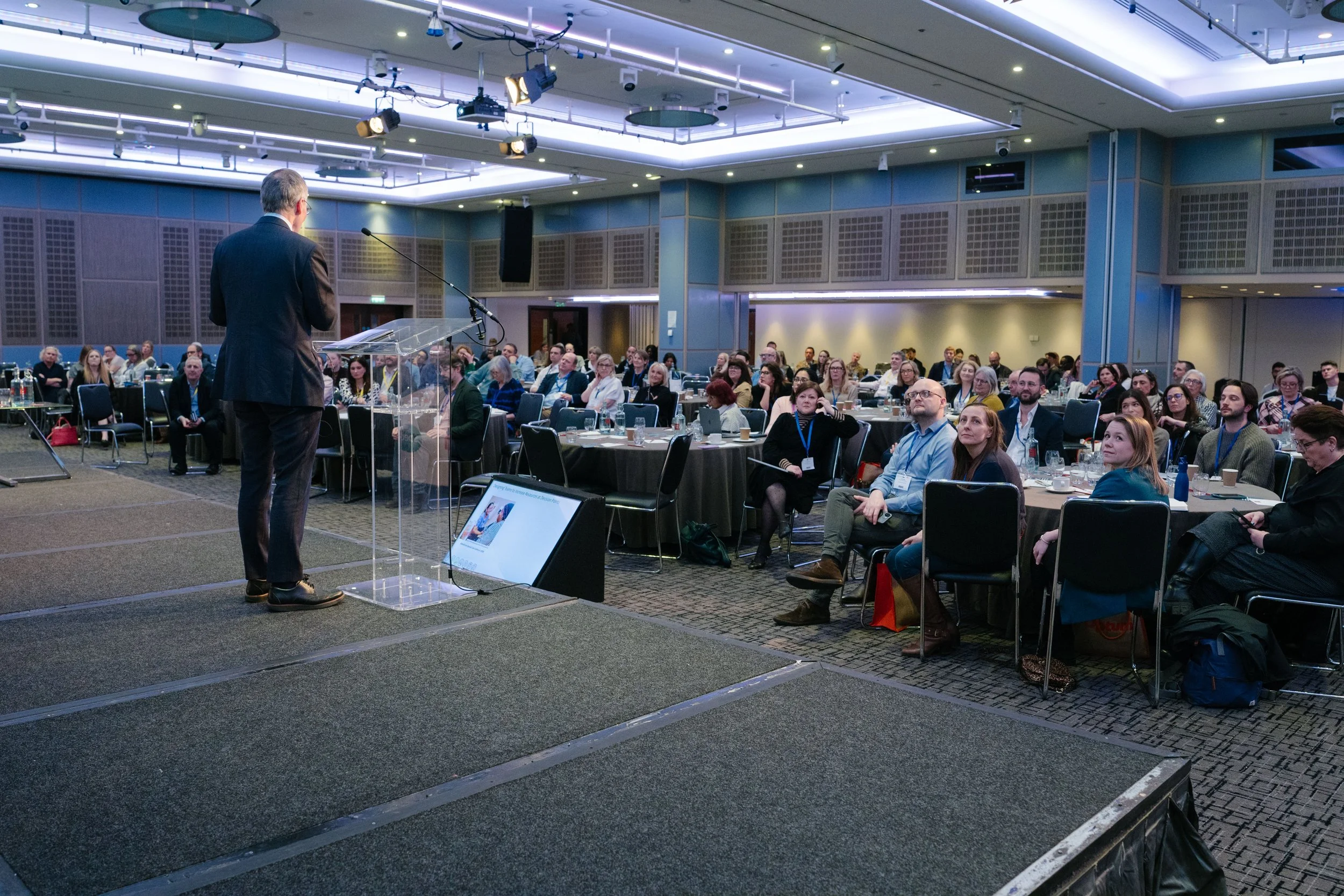
7. All the shots! Let us not forget the wide shots. A professional event photographer will come armed with two cameras, not only because if one packs in on the day they have a replacement, but also because sometimes we need to switch from very close to very wide in the blink of an eye, and any lens that can go from 200mm to 18mm, much as it sounds awesome, will not actually be a very good quality lens.
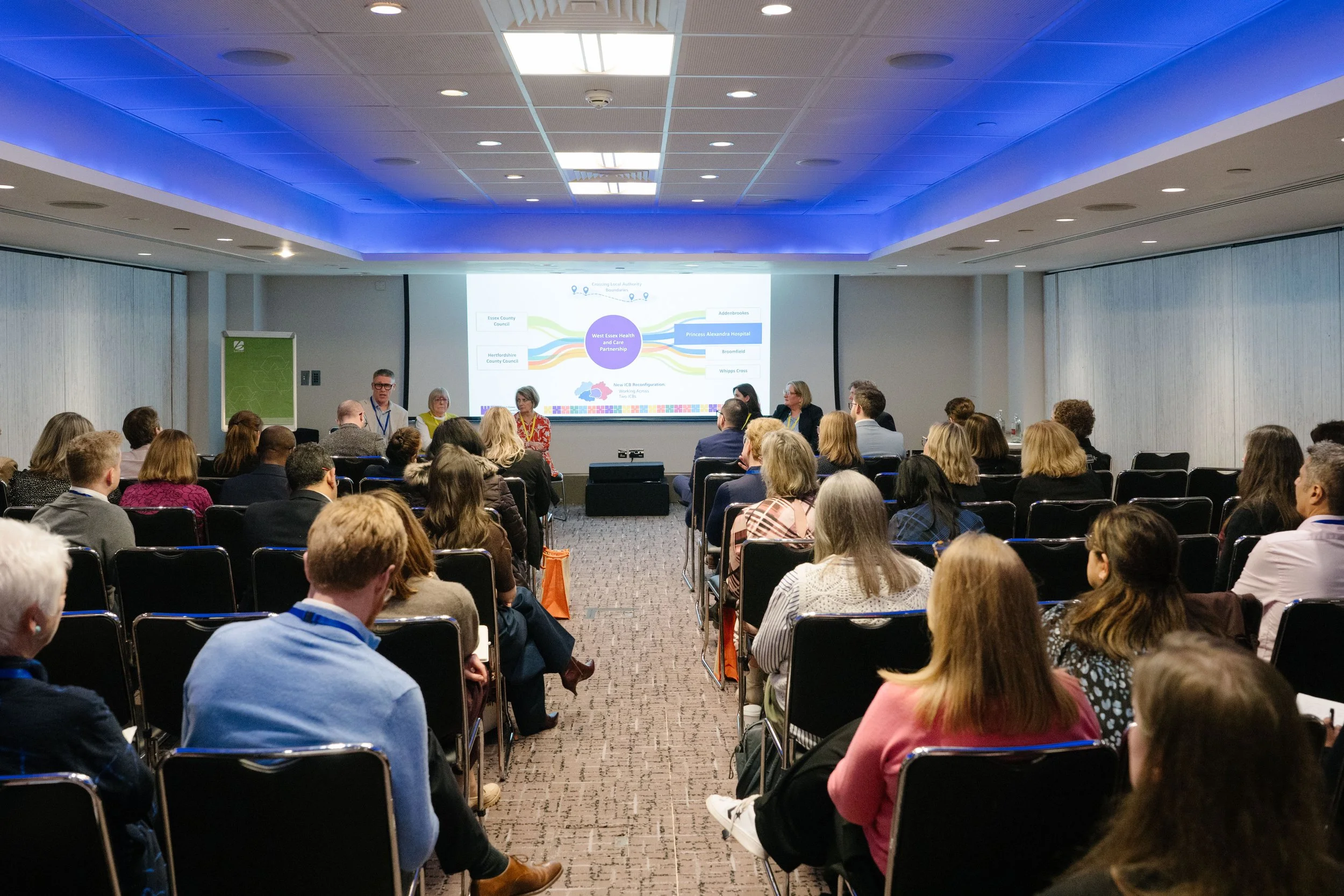
8. Discretion. You really want a photographer who can use silent shutter. This is a fairly uninteresting but crucial technical point, that you will find event photographers going on and on about in chats. Silent shutter can mean issues with banding on your images unless one is either shooting at awkwardly shutter rates or if, like me, you have a camera such as the Sony A9iii which has what’s called a global shutter which eliminates this issue. What you absolutely don’t want, in an intimate breakout room for example, is the constant clicking of a shutter, right? And again, a good selection of long lenses will help keep your photographer at a discrete distance.
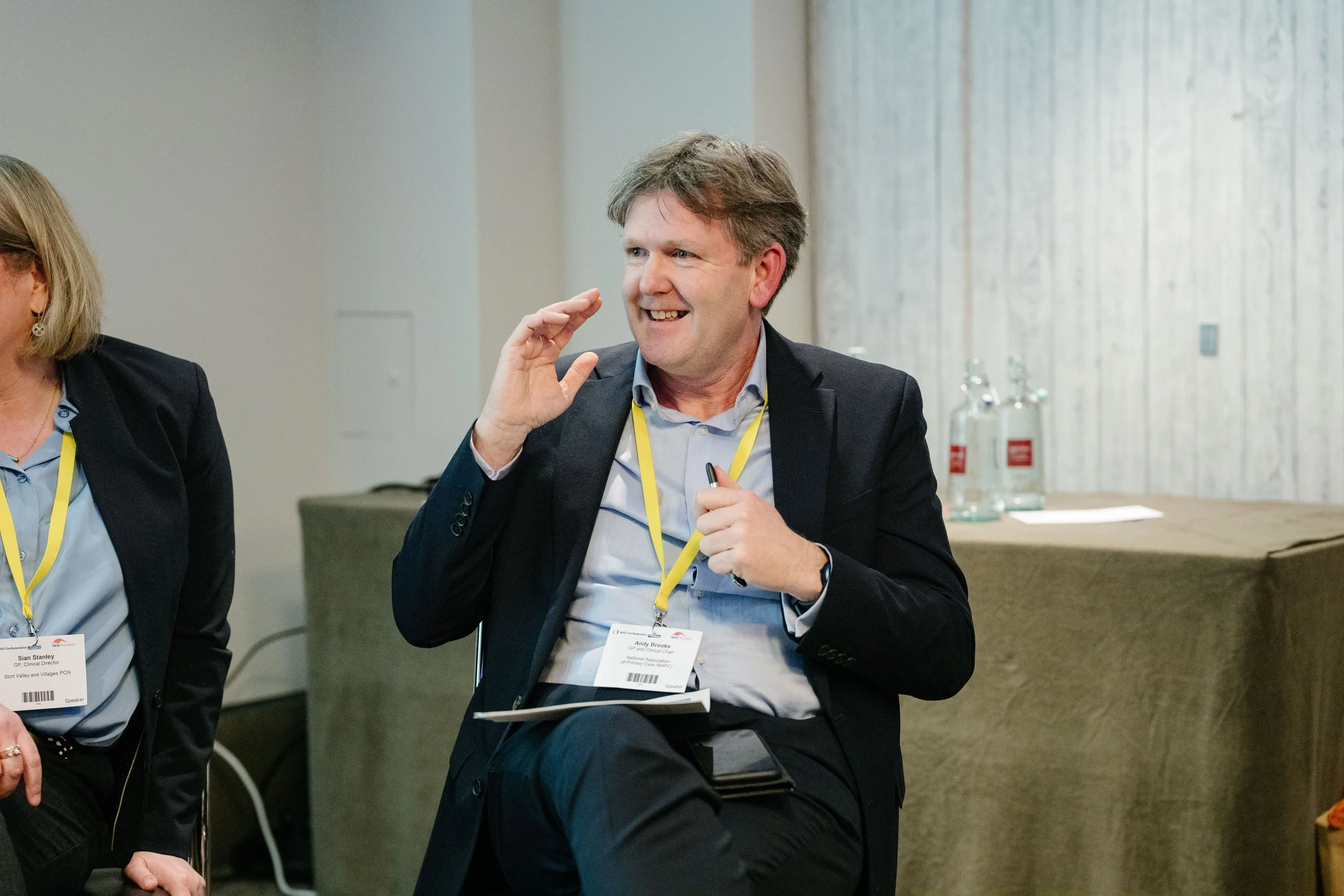
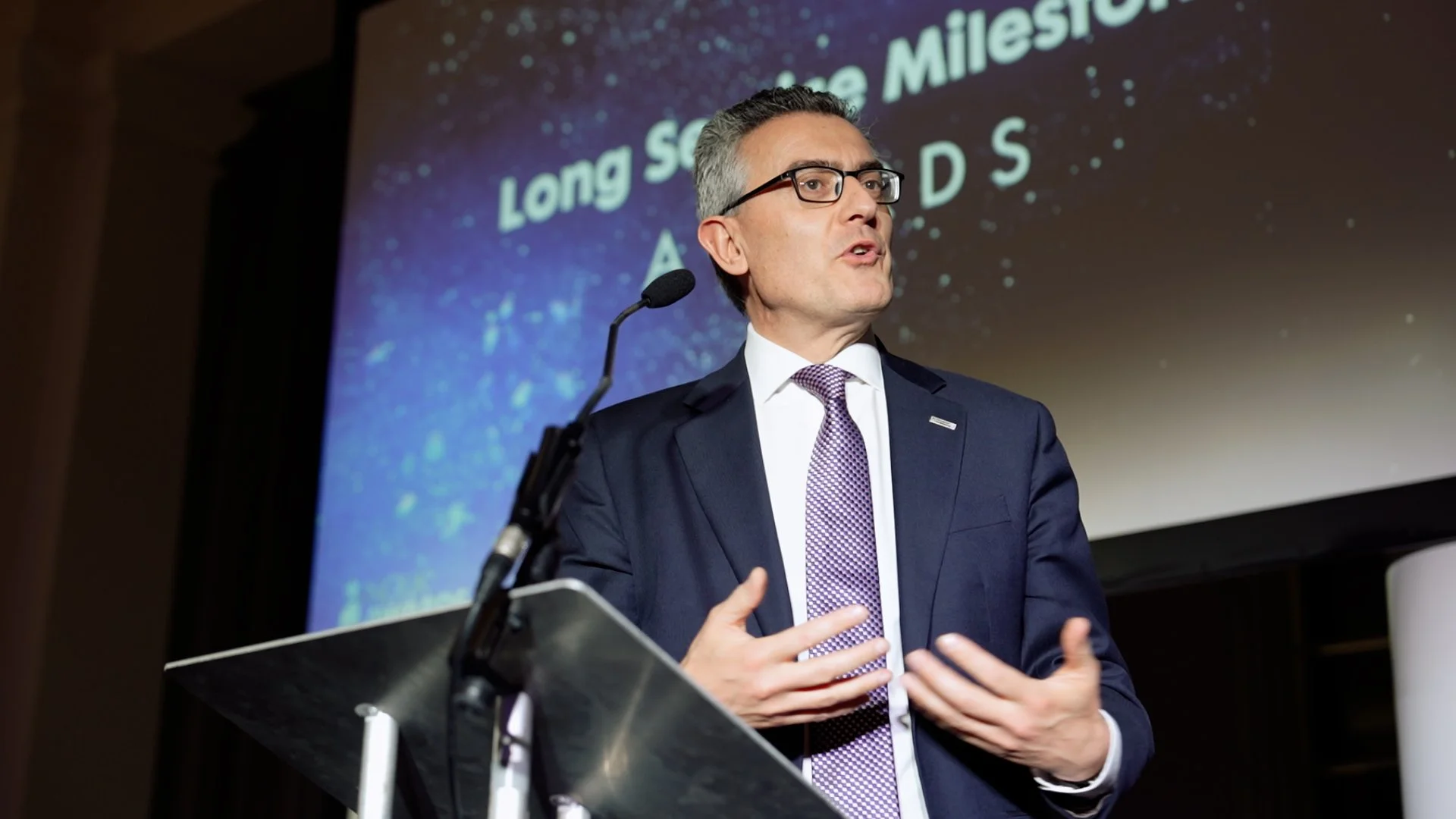
9. Do they understand lighting? Again you would assume it, right? But the thing with events is that 90% of the time you DO NOT want a flash going off. It is distracting and a bit annoying. Modern cameras can handle all kinds of lighting conditions, and events generally are already lit. However in an awards scenario, where there will most likely be what we call “grip and grin”, the handshake when the award is handed over, it may be that the available stage lighting is not working ideally to get the best. And here your photographer should understand lighting, flash and flash modifiers and be ready to adapt quickly to this situation.
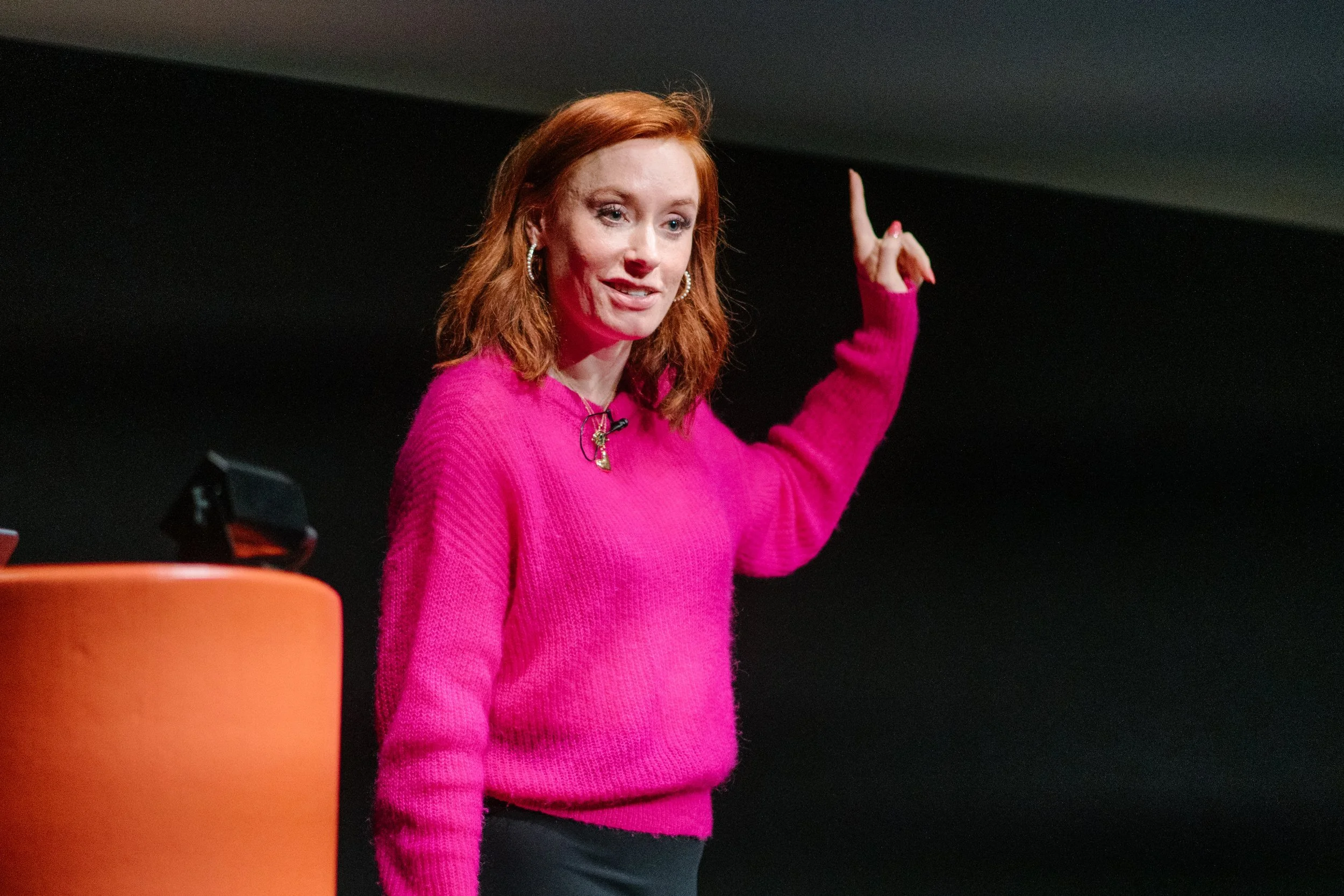
Sometimes you can only work with the lighting you are given, as with this conference with Hannah Fry, where flash was forbidden. Not that I would usually use flash in a conference anyway.
10. Same day edit. Inexperienced photographers will baulk at this, but it’s actually really fun, if you are good at what you do. There is a real sense of excitement when whizzing through your catalogue on your laptop and picking favourite shots. In the unlikely event that your photographer says no to this, they are no doubt insufficiently experienced.