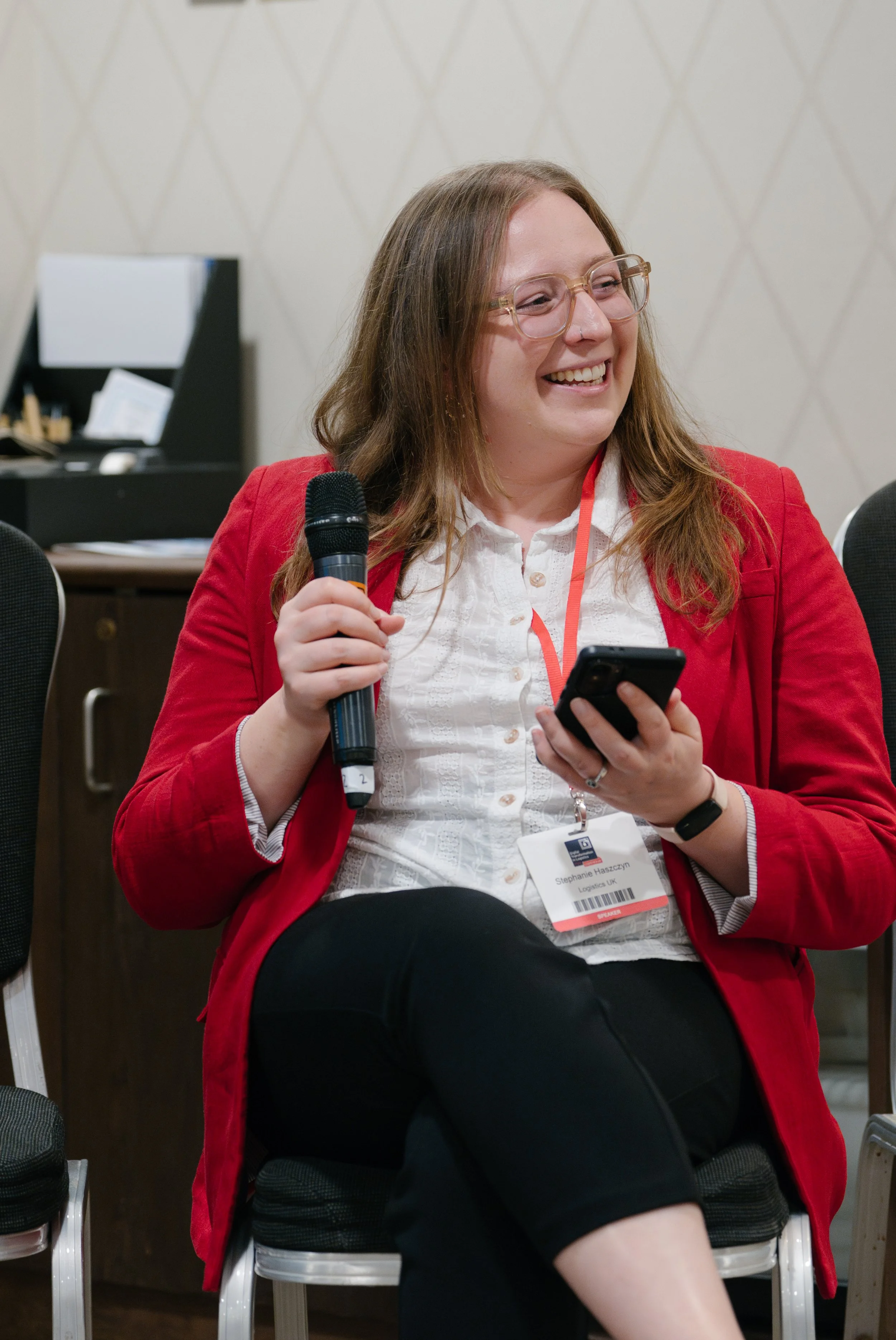
SIX WAYS TO GET THE MOST FROM YOUR CONFERENCE EVENT PHOTOGRAPHY
As a filmmaker and photographer I I came up the old school way, where you got things right in camera as much as possible. When I branched out into wedding photography as a hobby business and side hustle with delirious weddings I was amazed at how much editing was involved, with the fashion being for soft filters and presets, with dreamy portraits and black and white high contrast images, with super shallow lenses and style, style, style.
Ironically this makes the life of a certain kind of photogapher much easier. They don’’t need to be overly competent when relying on post production. Some of the most popular wedding photographers shoot mindful less of light and composition and moment, and more for how their shots will look in post production.
Corporate Event Photography however rarely if ever requires these tricks. What your client is looking for is clean, accurate well-lit, well composed images comprising the best moments and angles. It is documentary, albeit glossy documentary. The knack is to shoot the day as it was, but ensuring the best bits. Sounds obvious I guess. But it takes a certain type to get that right.
Or is it more of a case of simply learning tricks and applying them? A recent shoot for Logistics Uk’s Digital Transformation conference got me thinking about some of the more important aspects of Event Photography. So here are my top five tips for commissioning, or improving your corporate event photography.
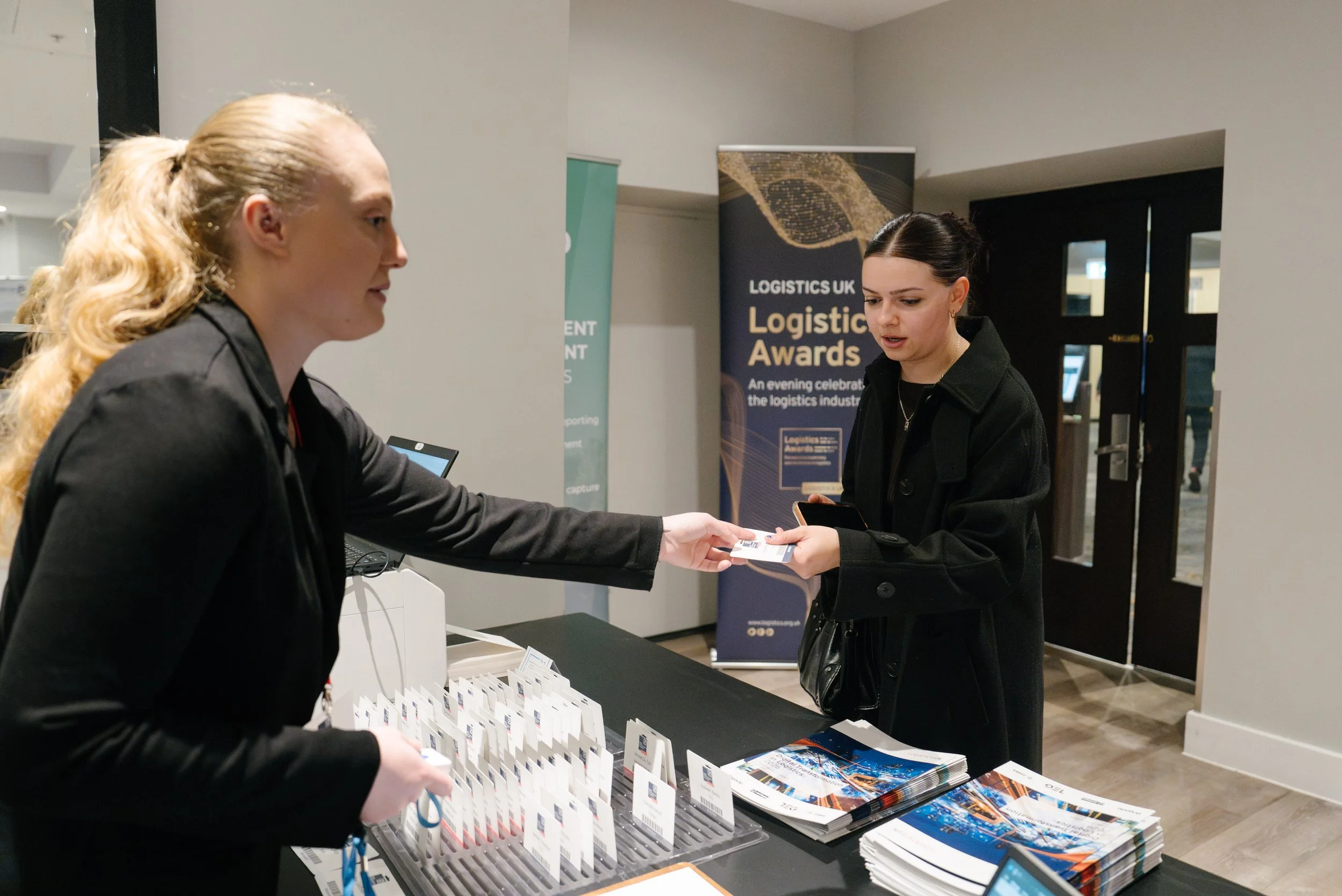
1. THE BRANDING
I always try and capture as much as I can of the registration and here I found it was useful to move one of the banners so it would be in the background of the shot. Naturally i check this kind of theing with organisers before doing so.
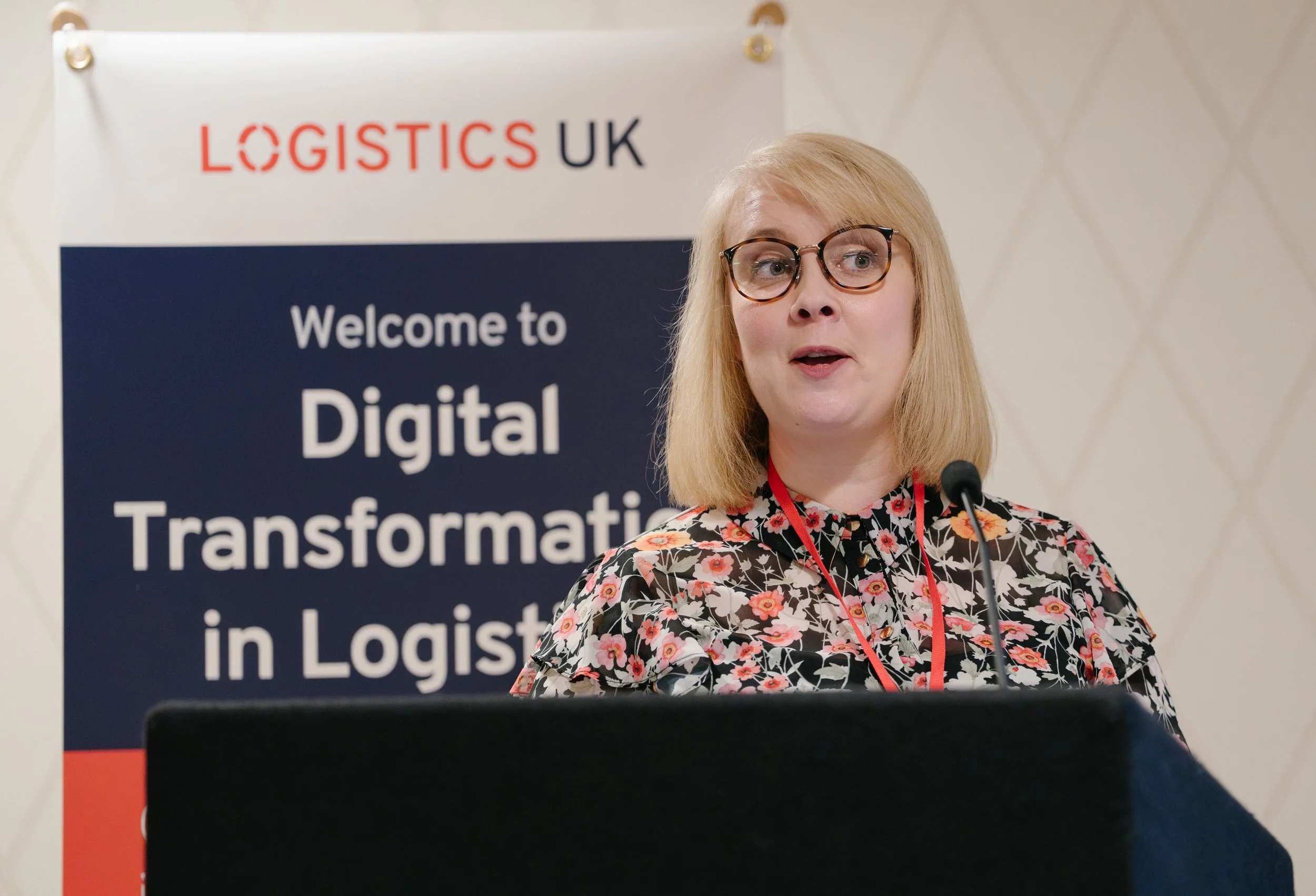
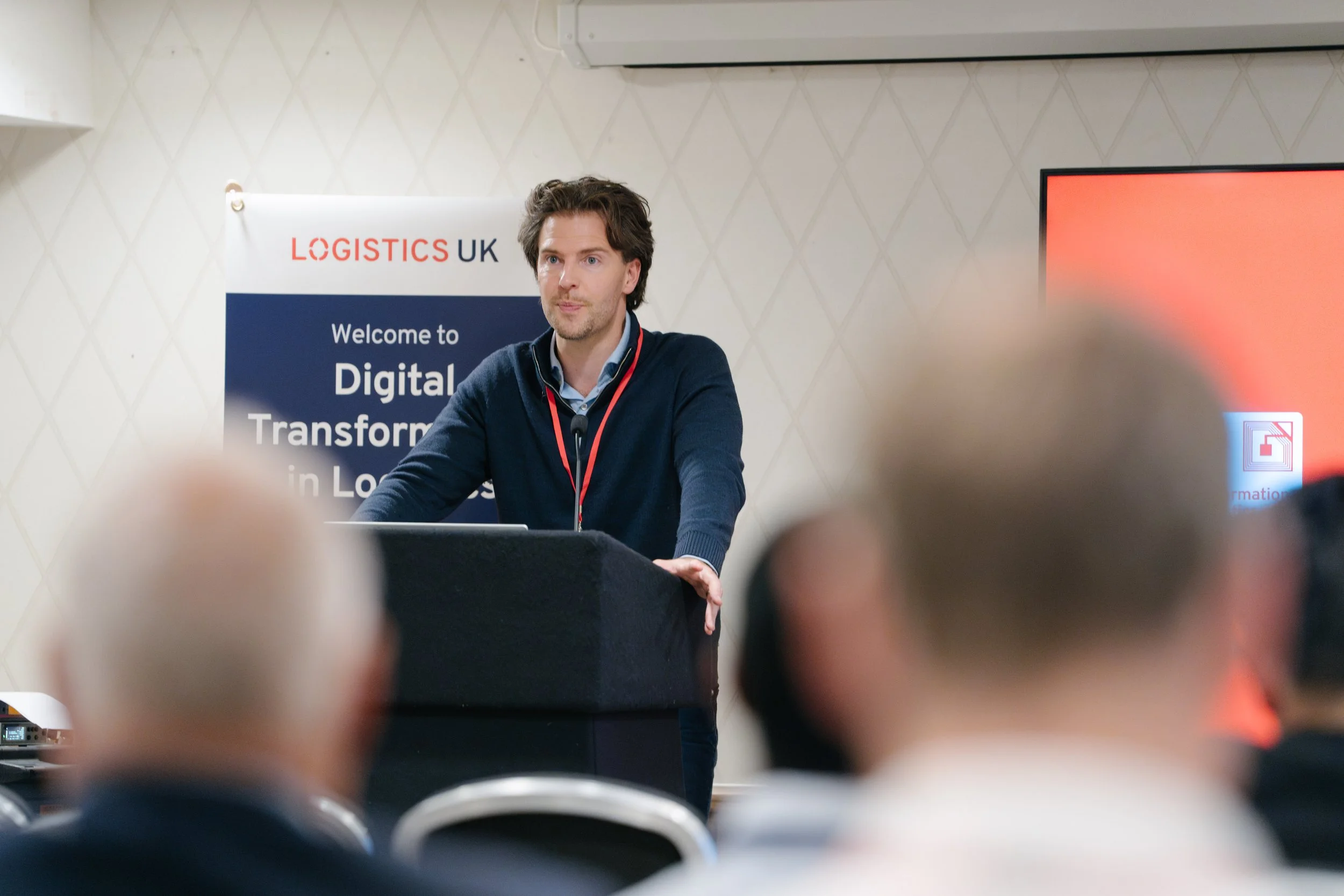
And again, in the conference room I found that the key speakers at the podium would have no branding behind them. The one pop-up banner had been placed on the other side of the room. While this would have featured in some - but absolutely not all - shots of the fireside chats and round table discussions, it would have been only partially visiable because contributors were sitting, AND have the bannder would then be missing from ALL the shots of key speakers. I suggested to the organisers that we move it, but of course only if they were happy with that decision. I certainly wouldn’t have moved it without that discussion, as the client decision is one they have come to for their own reasons. But on this occasion it worked perfectly.
2. GET BUSY
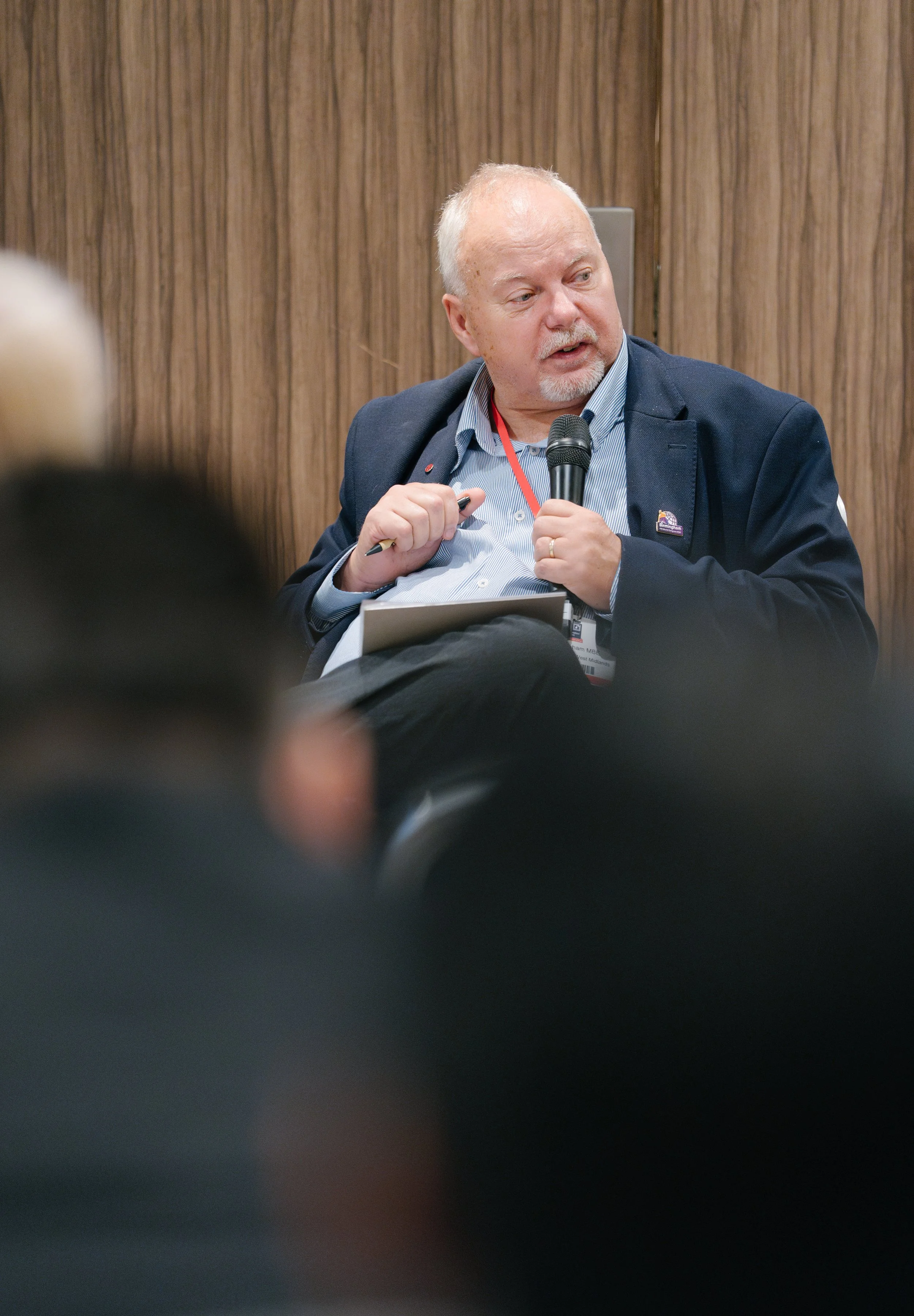
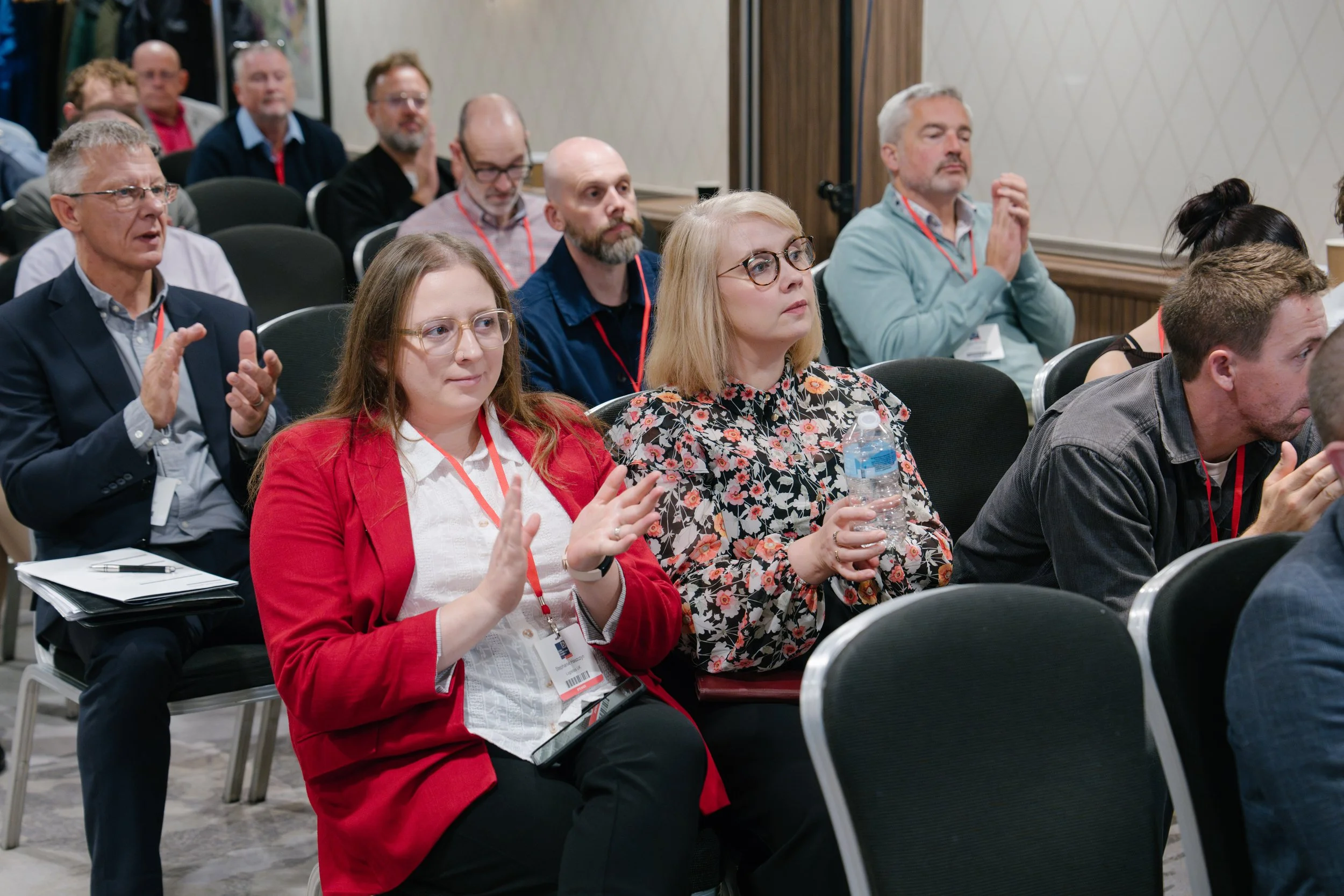
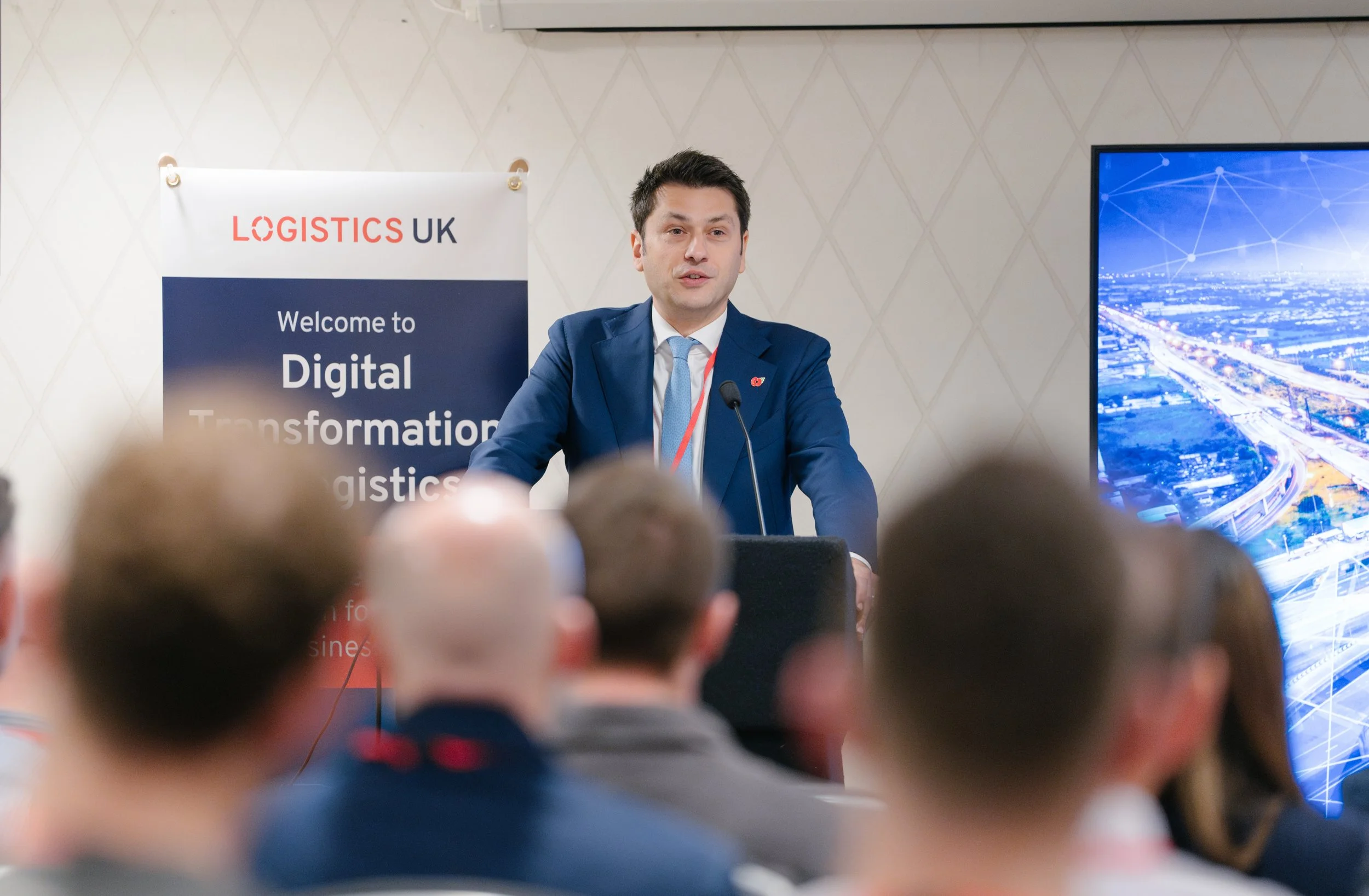
At this same conference no one once said to me “Make it look busy” - LUK are a relaxed and really great bunch of people. But as the day went on, guests started to drift off and by mid-afternoon the room was looking a bit on the empty side. No one wants to show a half empty room, but out of professionalism I felt the least I could do was to employ that old trick where you place your camera low on a long lens behind a couple of guests in the lower part of the frame and your speaker or point of focus in the upper part. Two or three heads will make that room look like it is packed.
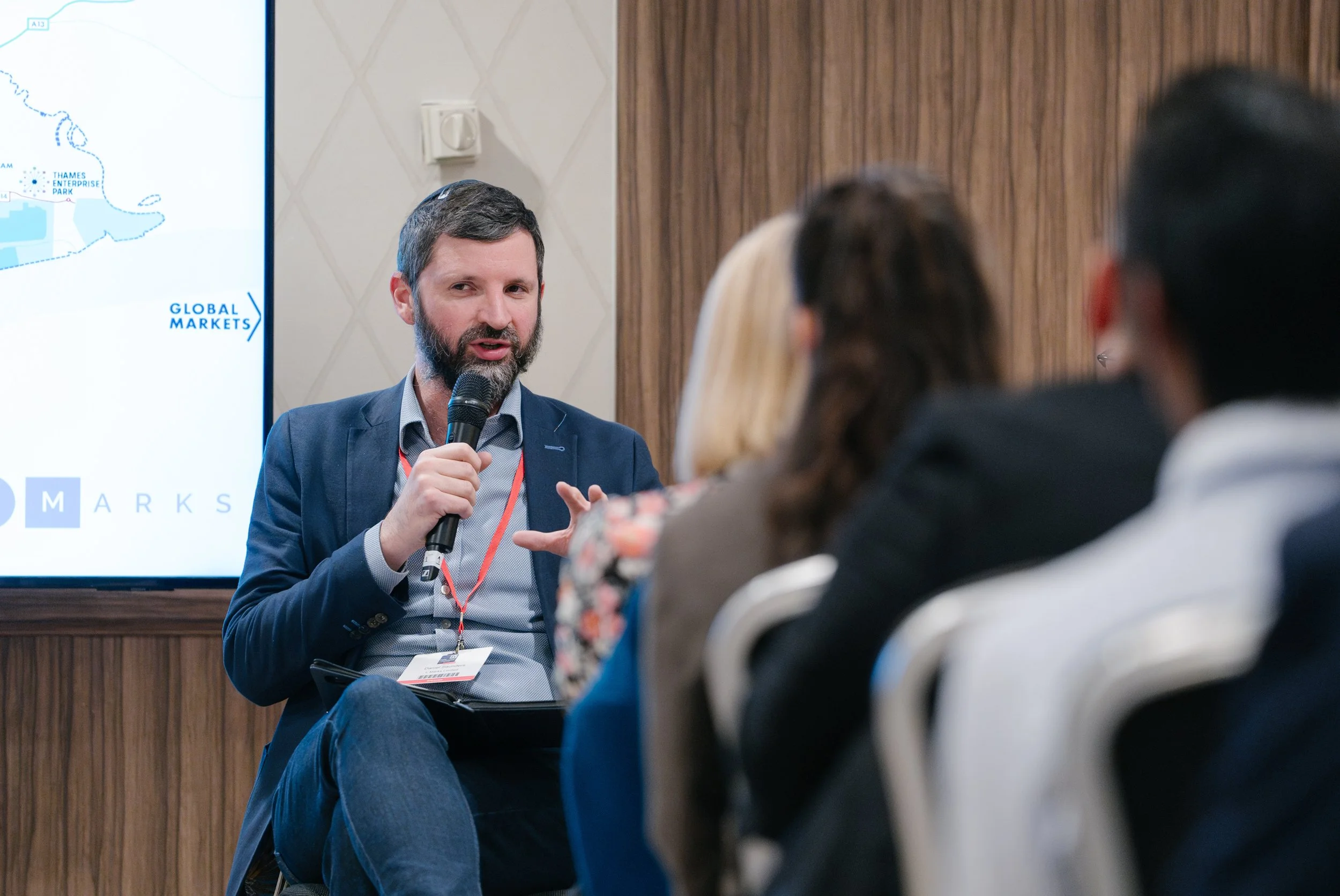
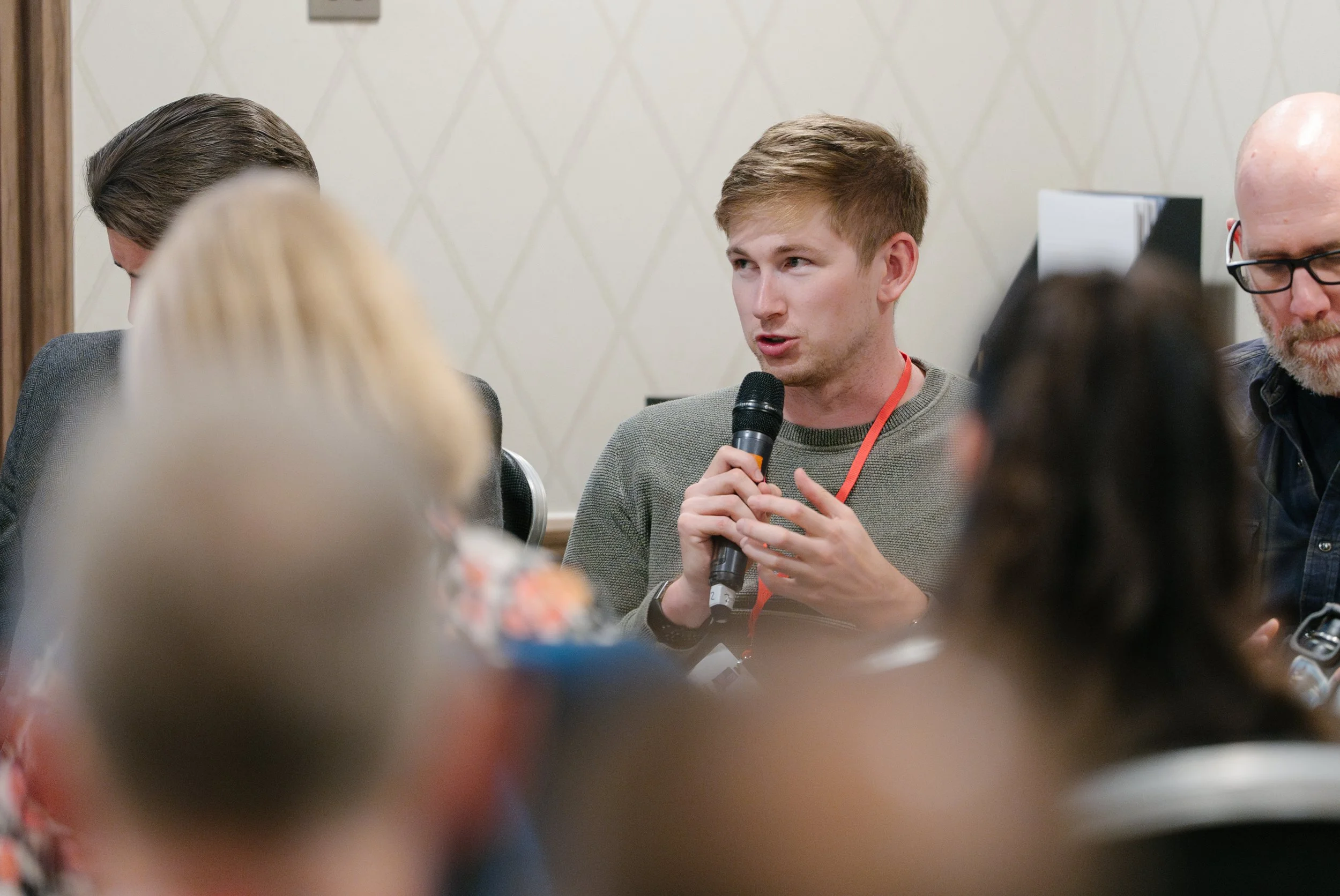
I think these shots all give a nice impression of focussed attention from a packed audience, when in fact at this point I think there was maybe 20 people in the room!
3. MANAGING THE LIGHTING
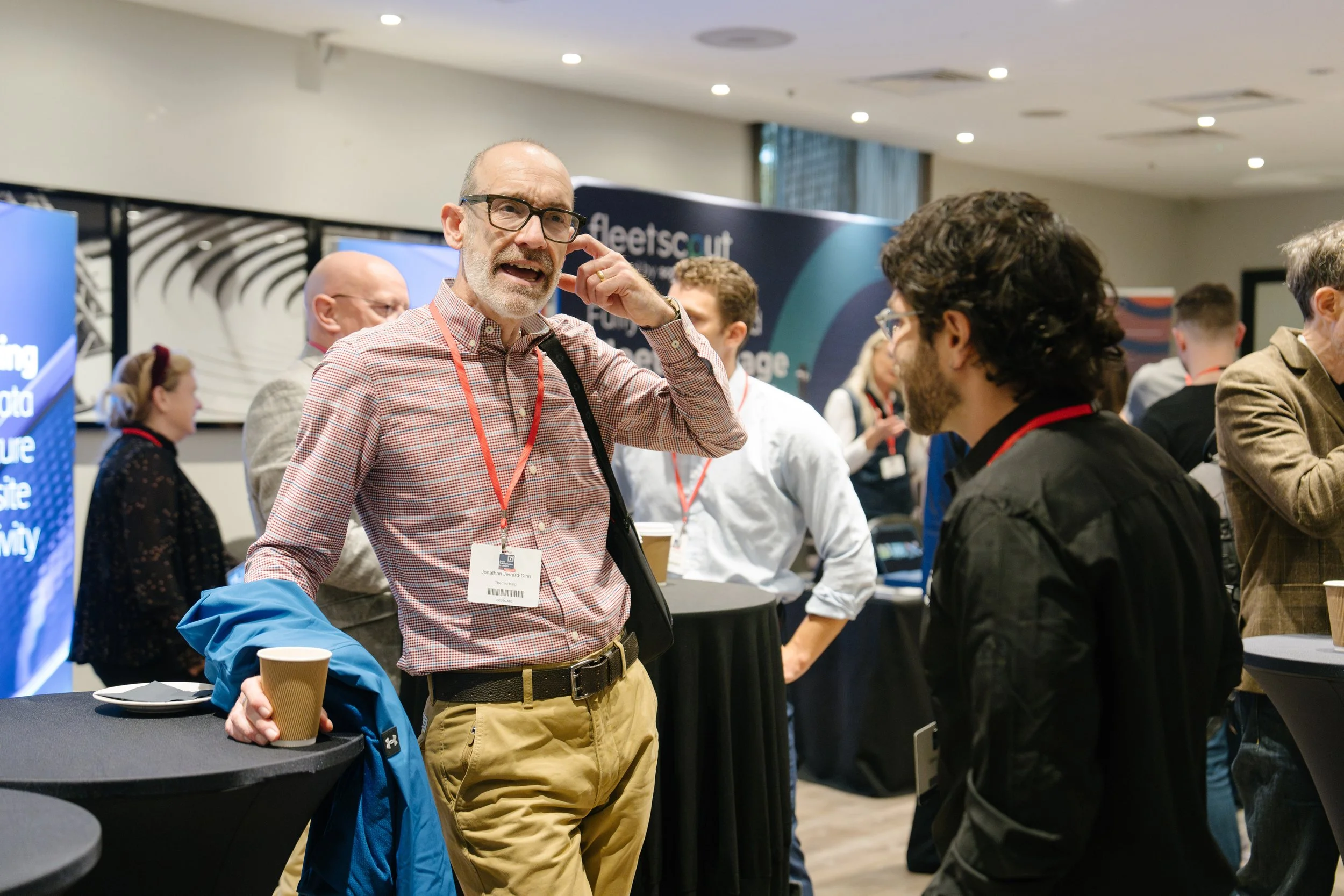
Probably it should go without saying sure your photographer can handle low light. Amazingly I found again in weddings there are many photographers who can’t, and who don’t know how to light. Naturally you don’t want flashes going off all day at a conference, and nor should you need to, as a proper pro camera will handle low light, and the right post-production software, like lightroom or Evoto will handle any grain. Kensington Hilton is not a crypt but like most event and conference venues, the lighting is fairly dark, even if it doesn’t look it to the untrained eye.
Perhaps it is more accurate to describe venue lighting as challenging. Often it incorporates harsh downlighting that doesnt actually produce a lot of light. And here a subtle presets and some gentle noise reduction in post will help a lot.
4. SCREEN TIME
Then there is the curse of screen refresh - can your photographer handle flicker from LEDs and banding from your presentation screens and monitors? If they have the right tech, sure they can. I shoot on the Sony A9iii which has a (very expensive) global shutter which allows me to shoot silently at reasonably high shutter speeds, keeping my images nice and sharp.
5. IS THERE SUCH A THING AS TOO MANY PHOTOS?
Sure, when you deliver - again unlike in weddings, where couples will happily receive thousands of shots - your client wants you to apply some editorial consideration. YOU decide what the best shots are, rather than waste their time hunting for them.
Having said this, I recommend overshoot, especially at the beginning. On a day like this one where the audience thins out towards the end, if I had waited to get audience reactions, handshakes, clapping, I would have ended up delivering a lot of shots of a half-full venue.
I shoot on burst mode, usually three shots in a second, which makes a little extra work for me in post, but guarantees more keepers, more shots where key people are not blinking, grimacing or pulling those awkward faces we all pull when speaking and concentrating.
6. HAVE FUN WITH IT
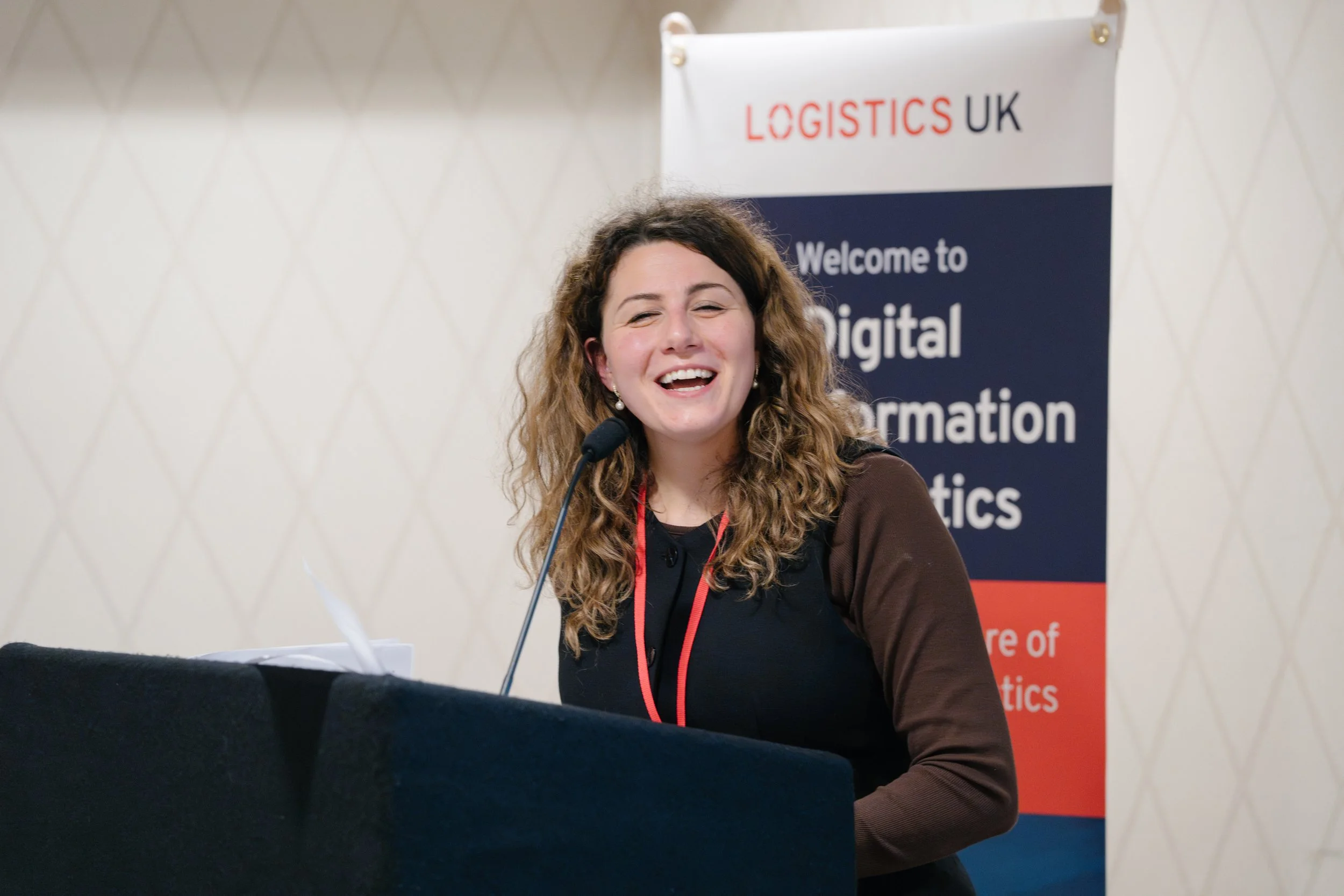
Traditionally this is the phrase no creative every wants to hear. But honestly if you don’t love event photography, don’t do it. Me, I adore it, I love meeting new people as much as I love meeting up with regular clients and familiar faces. It’s always a learning experience, listening to people who are experts in their field, and it is everyone putting their best foot forward. But I mean this also as a natty way of signing off, which is to say, there will always be moments of fun and laughter, of joy, in any given event. For the love of God, please make sure you capture them. Oh and feel free to mention this, if you are a client, in your brief.